
Busting Myths in Commercial Construction: What You Need to Know


Understanding Commercial Construction Myths
Commercial construction is a complex field that often attracts misconceptions. These myths can mislead businesses and stakeholders, potentially hindering projects. In this post, we'll debunk some common myths and provide clarity on what you need to know.
Myth 1: Commercial Construction is Always Over Budget
Many believe that commercial construction projects invariably exceed their budgets. While budget overruns can occur, they aren't inevitable. Effective planning and project management are key to staying within financial limits. Employing experienced contractors and using advanced project management tools can significantly mitigate this risk.
It's essential to establish a realistic budget and maintain open communication with all stakeholders. Regular monitoring and adjustments help keep the project on track financially.
Addressing Construction Timeframes
Myth 2: Construction Projects Always Take Longer Than Expected
Another widespread myth is that construction projects never finish on time. While delays can happen due to unforeseen circumstances, proper scheduling and contingency planning can minimize these issues. Project managers should identify potential risks early and develop strategies to address them.
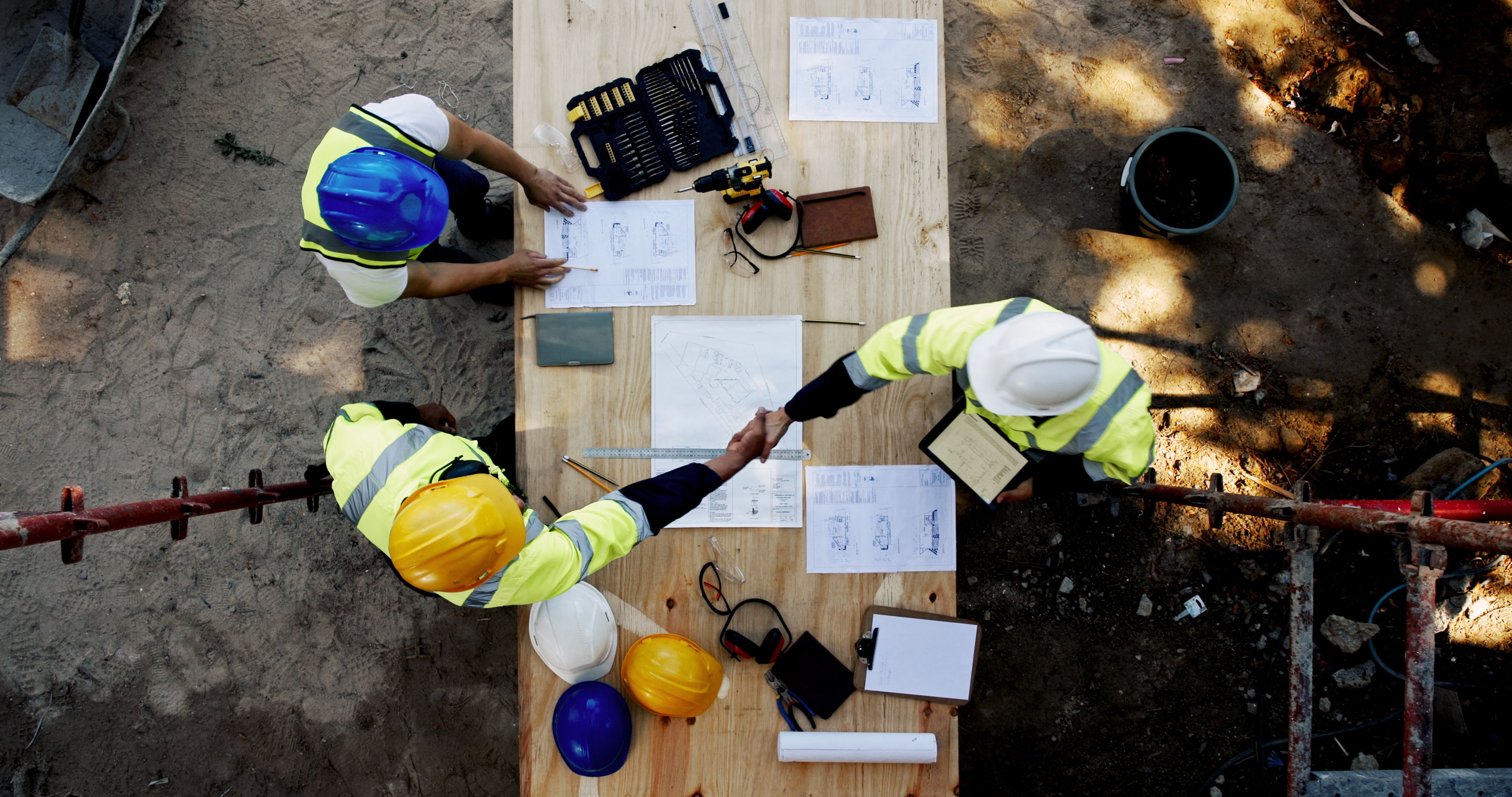
Using software for project scheduling and regular progress assessments can ensure that timelines are adhered to more closely, dispelling the myth of inevitable delays.
Exploring Material Misconceptions
Myth 3: High-Quality Materials Are Unnecessarily Expensive
There's a common belief that using high-quality materials in commercial construction is prohibitively expensive. In reality, investing in quality materials can be cost-effective in the long run. Durable materials reduce maintenance costs and enhance the building's lifespan, leading to better return on investment.

Choosing the right materials is crucial, and working with knowledgeable suppliers can help balance cost and quality effectively.
Environmental Considerations in Construction
Myth 4: Sustainability in Construction is Just a Trend
Some perceive sustainability as a passing trend in construction, but it's far from it. Sustainable practices are becoming a standard in the industry, driven by environmental concerns and regulatory requirements. Implementing green building strategies can lead to energy savings and increased property value.
Embracing sustainability is not only environmentally responsible but also economically advantageous, making it a wise choice for modern construction projects.
Conclusion
Busting these myths is essential for anyone involved in commercial construction. Understanding the realities behind these misconceptions can lead to more successful project outcomes. By focusing on effective planning, realistic budgeting, and sustainable practices, the construction industry can continue to evolve and thrive.