
Common Misconceptions About Commercial Construction Debunked


The Cost Myth
One of the most widespread misconceptions about commercial construction is that it's always prohibitively expensive. While costs can be substantial, they aren't always as high as people assume. Many variables, such as location, materials, and project scope, significantly influence the final price. By strategically managing these aspects, costs can be optimized without compromising quality.
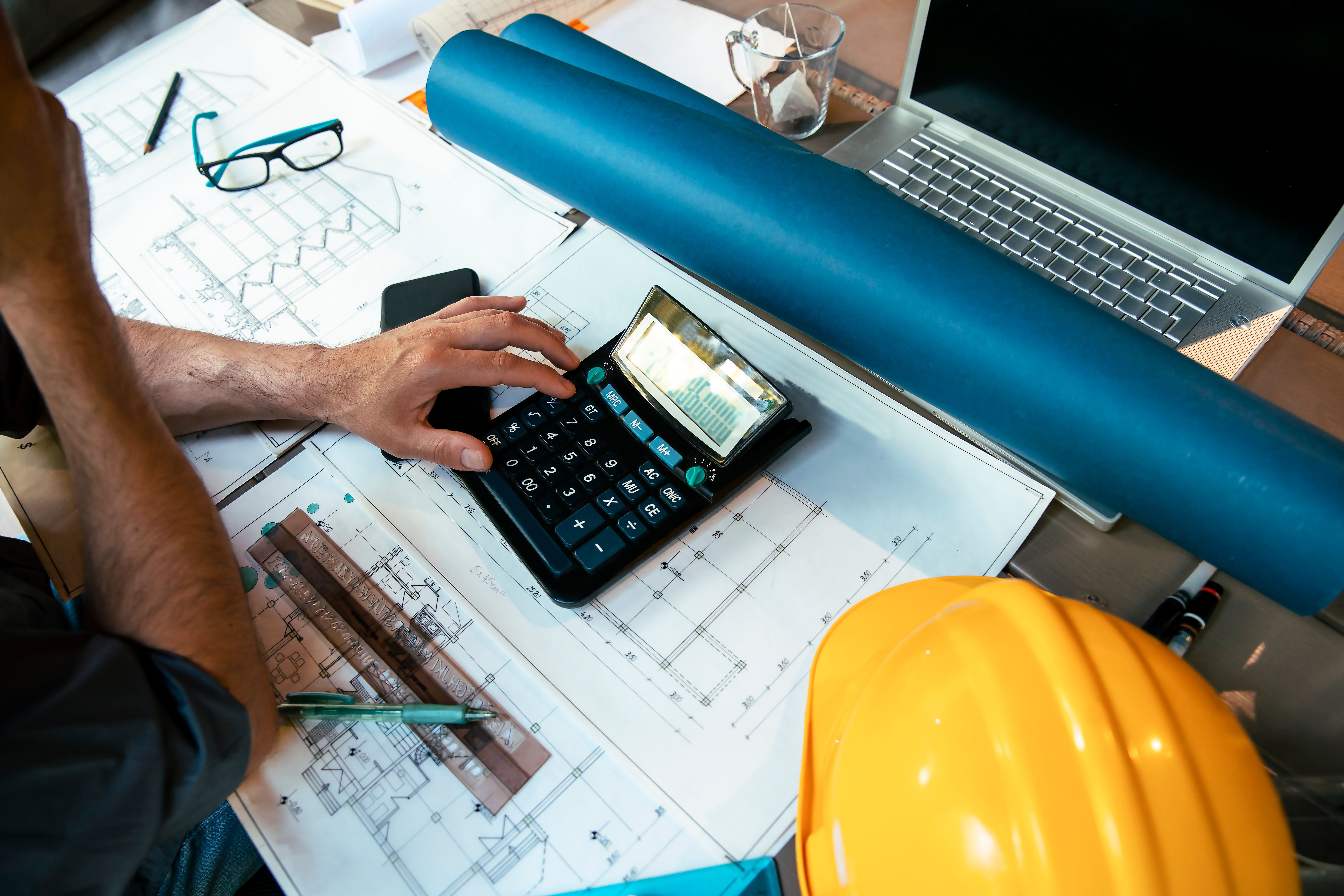
Moreover, investing in a robust design and efficient construction practices can lead to long-term savings. Energy-efficient buildings, for example, might have higher initial costs but result in lower operating expenses over time.
Time Misconceptions
Another common belief is that commercial construction projects always take longer than expected. Although delays can occur, they are not inevitable. Effective project management and clear communication between stakeholders can keep timelines on track. Modern construction techniques, such as modular construction, also help speed up the process.
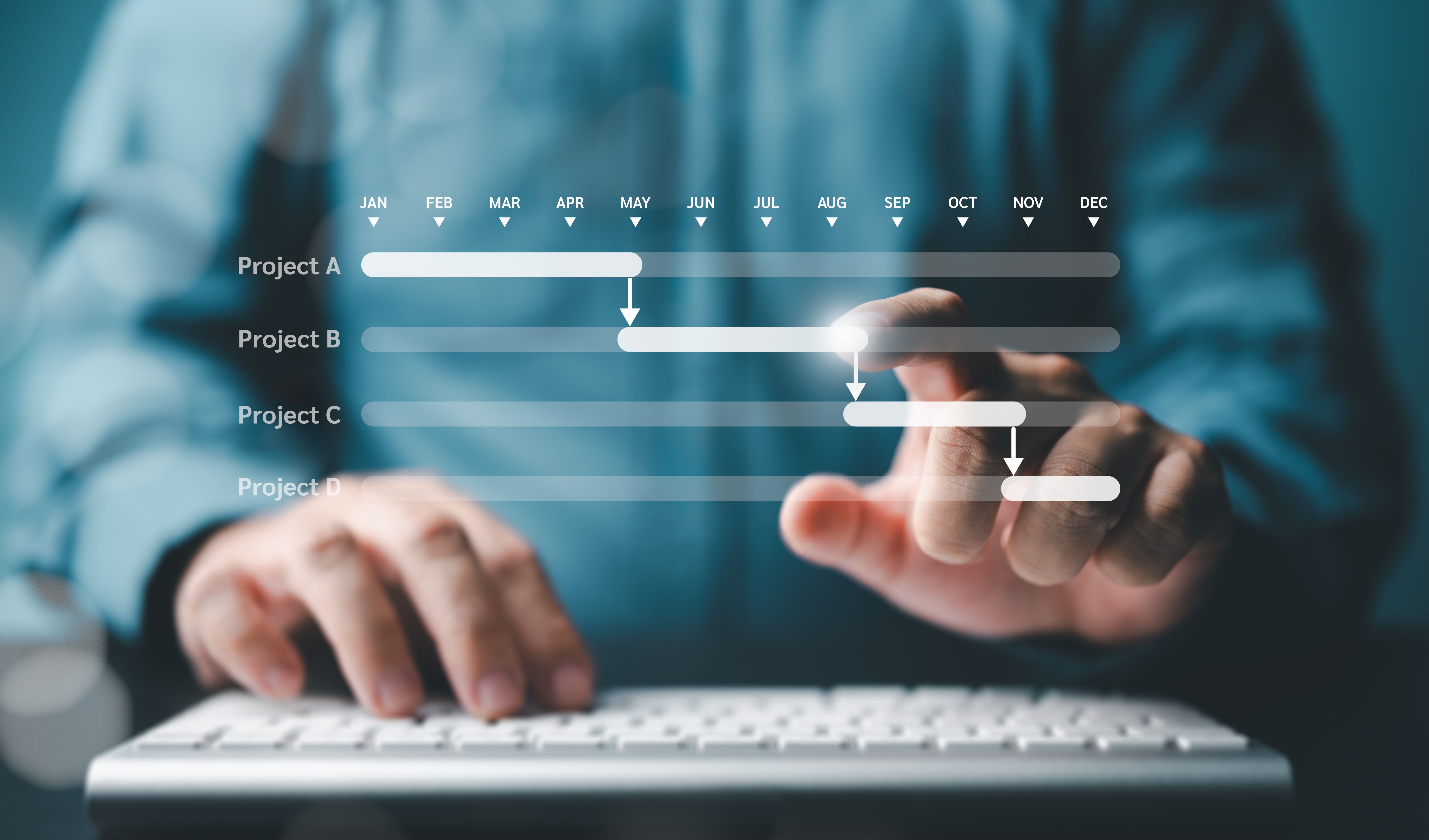
It's essential to set realistic expectations from the outset. By understanding potential challenges and planning accordingly, surprises can be minimized, helping projects stay on schedule.
The Complexity of Design
Some people think that commercial buildings must be complex and intricate. While certain projects require advanced architectural designs, simplicity can often be the best approach. A well-thought-out design that focuses on functionality can be both aesthetically pleasing and practical.
Consulting with experienced architects and designers ensures that the project meets both aesthetic and functional needs without unnecessary complications.

Quality vs. Price
Many assume that lower costs lead to lower quality. In reality, it's possible to achieve high-quality construction without breaking the bank. By carefully selecting materials and contractors, projects can maintain high standards within a budget.
- Choose reputable contractors.
- Opt for durable materials.
- Focus on essential features.
Investing in quality components often reduces maintenance and repair costs in the future, enhancing the building's overall value.
Sustainability Concerns
There is a perception that sustainable construction is more expensive and less efficient. However, sustainable practices often lead to better resource management and lower long-term costs. Green buildings can attract tenants and clients who value environmental responsibility, potentially increasing revenue.

Incorporating sustainable materials and technologies can improve energy efficiency, reduce waste, and create healthier environments for occupants.
Conclusion
Understanding these common misconceptions about commercial construction can lead to more informed decisions and successful projects. By debunking myths about cost, time, complexity, quality, and sustainability, stakeholders can approach construction with realistic expectations and innovative solutions.
Embracing the realities of commercial construction opens the door to opportunities that align with both financial and environmental goals.