
Comprehensive Guide to Commercial Building Design: From Concept to Completion


Designing a commercial building is an intricate process that requires a blend of creativity, technical knowledge, and strategic planning. From initial concepts to the final touches, each phase plays a crucial role in bringing a vision to life. Whether you’re a budding architect or a business owner looking to develop a new space, understanding the comprehensive journey from concept to completion is essential.

Understanding the Initial Concept
The journey begins with the initial concept, where ideas start to take shape. This stage involves brainstorming and sketching initial designs. It's essential to consider the purpose of the building, the target audience, and the desired aesthetic. Engaging with stakeholders early on ensures that their needs and expectations are met.
During this phase, it's crucial to conduct a feasibility study to assess the project's viability. Factors such as budget, location, and zoning laws should be thoroughly evaluated. This foundational work sets the tone for the rest of the project.
Design Development
Once the concept is solidified, the design development phase begins. Architects and designers work together to refine the initial sketches into detailed plans. This stage involves creating floor plans, elevations, and 3D models. Technology plays a significant role here, with software tools enabling precise and efficient design iterations.
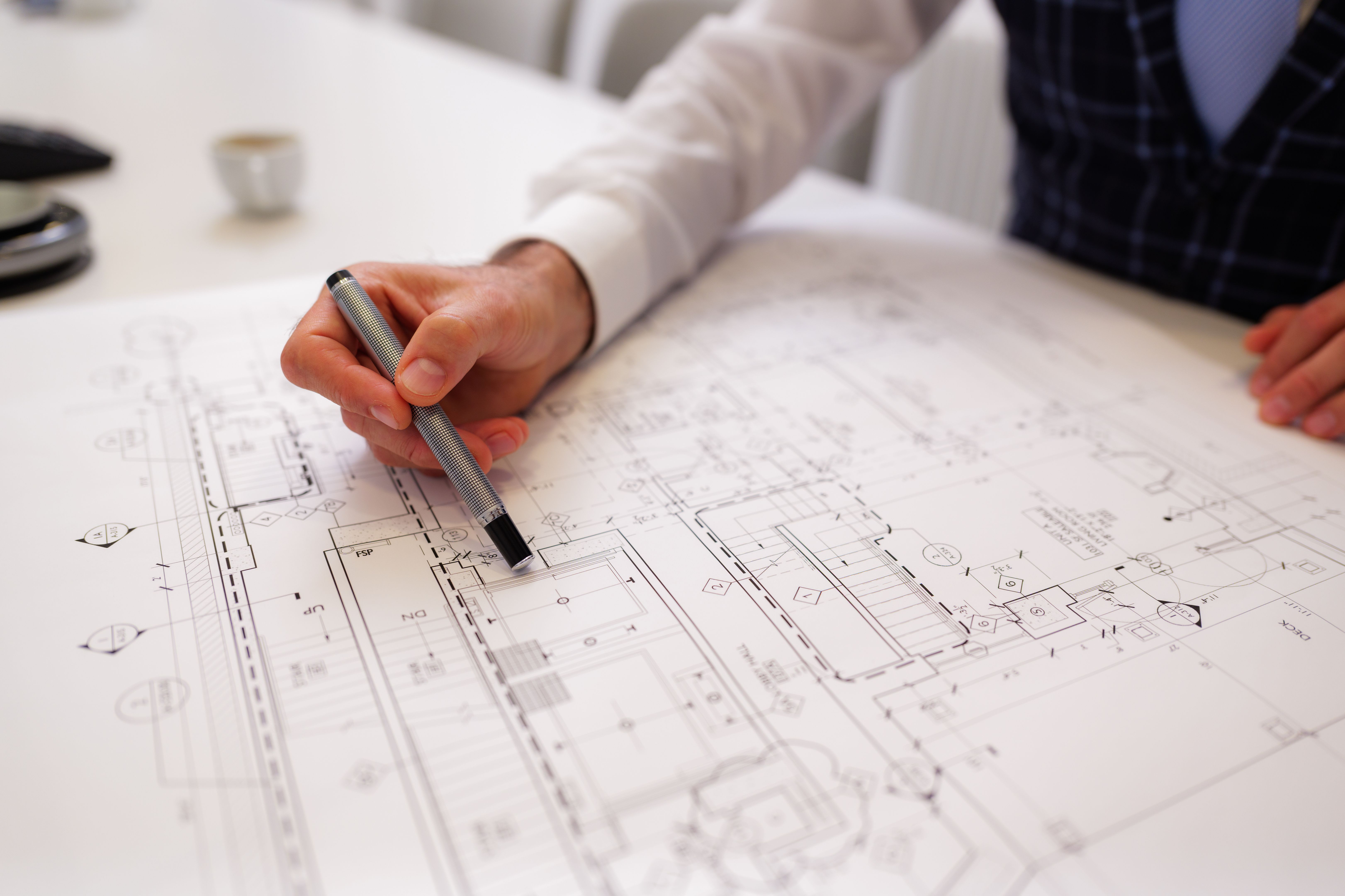
The collaboration between architects, engineers, and clients is vital in this phase. Regular meetings and updates ensure that the project stays on track and aligns with the initial vision. This is also the time to consider sustainability features, such as energy-efficient systems and eco-friendly materials.
Securing Permits and Approvals
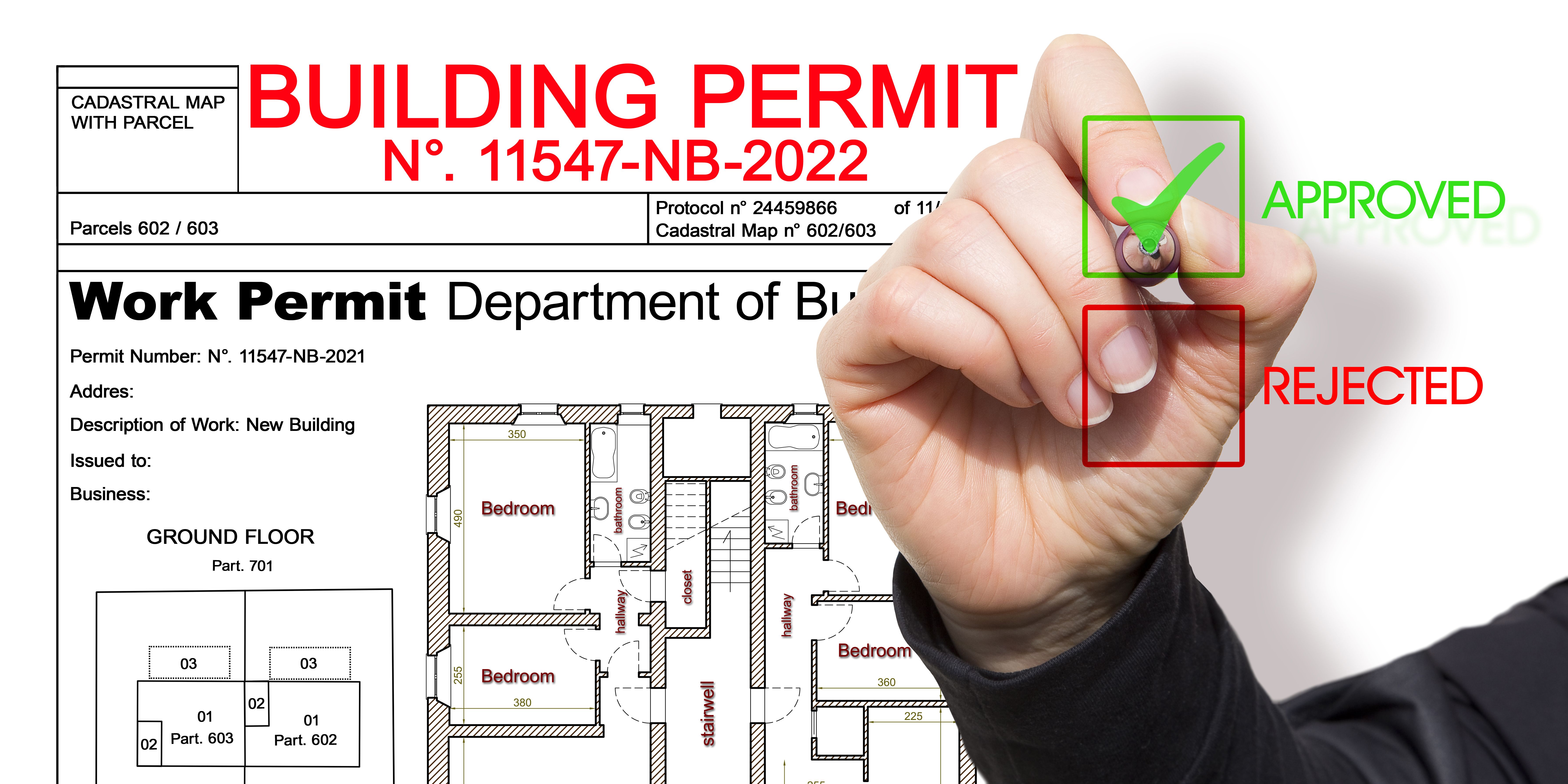
Before construction can commence, obtaining the necessary permits and approvals is essential. This process can be time-consuming, requiring compliance with local building codes and regulations. It's crucial to work with experienced professionals who understand the legal aspects to avoid any pitfalls.
Having the right permits ensures that the project adheres to safety standards and legal requirements, preventing potential delays and additional costs down the line.
Construction Phase
With permits in hand, the construction phase begins. This stage involves several key steps:
- Site Preparation: Clearing and leveling the land to lay a solid foundation.
- Foundation Work: Building the base structure to support the entire building.
- Structural Framing: Erecting the building's framework, which forms its skeleton.
- Installation of Systems: Integrating electrical, plumbing, HVAC, and other essential systems.
Throughout construction, regular inspections ensure that everything aligns with the design plans and safety standards.
Final Touches and Completion
As construction nears completion, the focus shifts to the final touches. This includes interior finishes such as flooring, painting, and fixtures. Landscaping and exterior enhancements are also addressed to create a welcoming and functional environment.
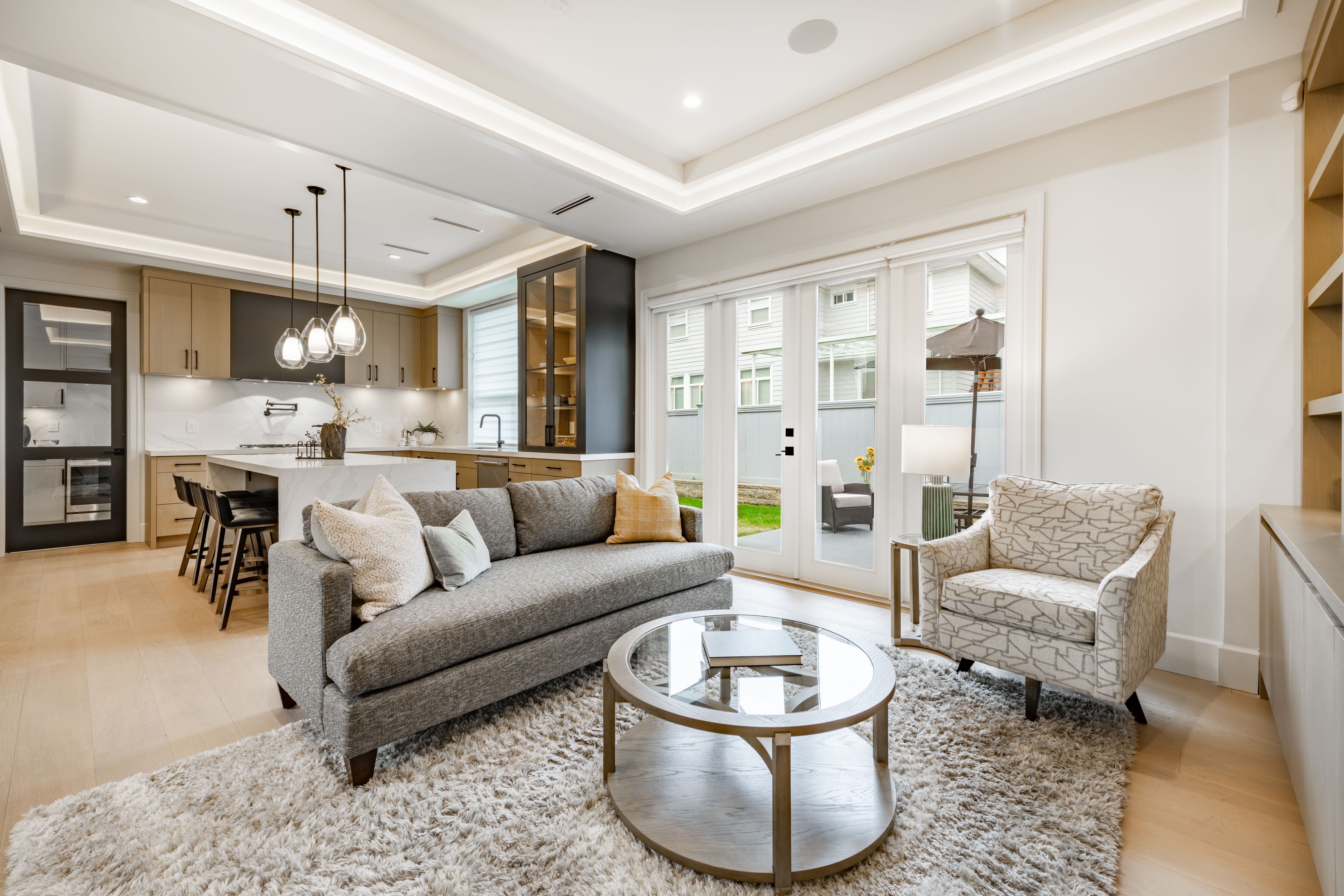
The last stage involves a thorough inspection to ensure the building meets all quality standards. Once approved, the building is ready for occupancy, marking the end of an exciting and rewarding journey.
Designing a commercial building from concept to completion is a complex but fulfilling process. With careful planning, collaboration, and attention to detail, the result is a functional, aesthetically pleasing, and sustainable space that meets the needs of its users.