
Comprehensive Guide to Commercial Building Design in Canada


Understanding the Basics of Commercial Building Design
Designing a commercial building in Canada involves a complex blend of creativity, functionality, and adherence to regulations. It’s essential to understand the basic principles that guide this process. A commercial building must not only serve its intended purpose but also contribute positively to the surrounding environment.
Key considerations include the building's location, intended use, and the needs of its users. These factors influence decisions related to layout, materials, and technology integration. By understanding these fundamentals, architects and developers can create spaces that are both practical and aesthetically pleasing.
Regulatory Framework and Building Codes
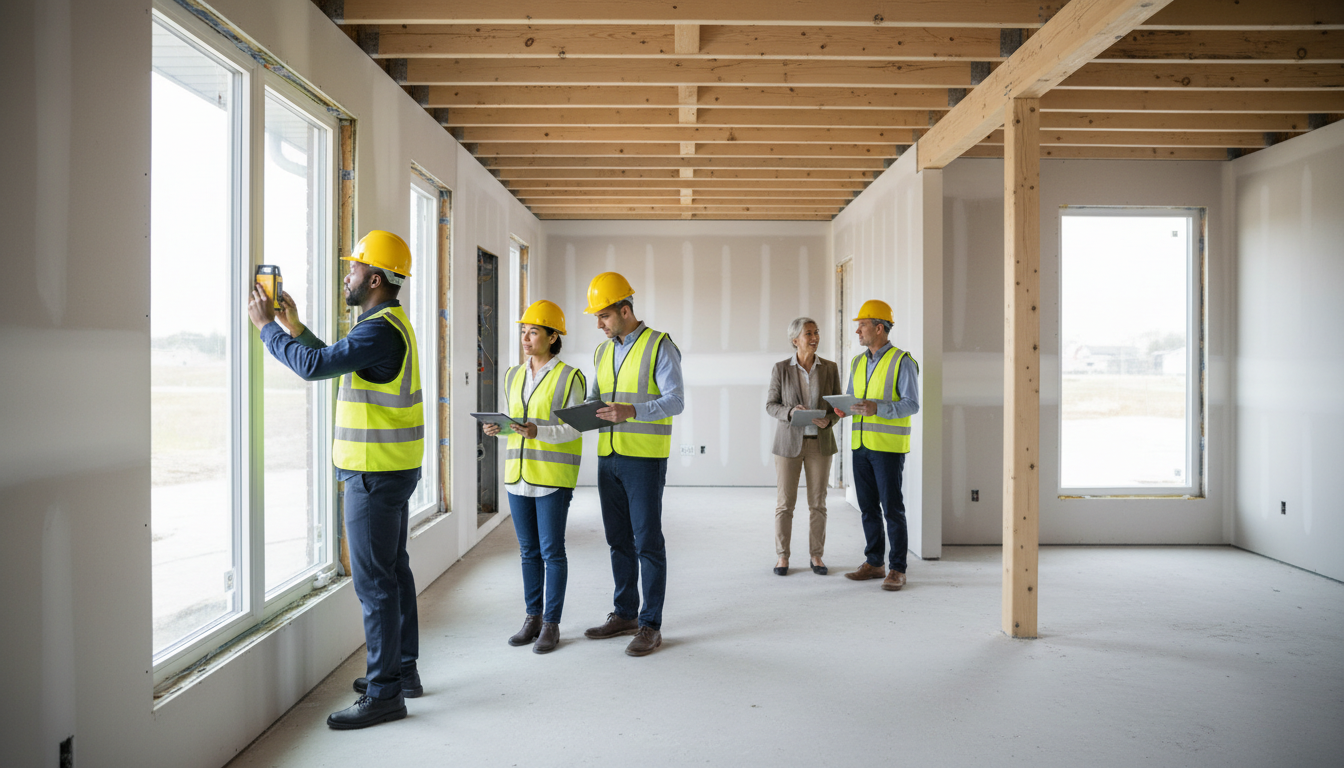
In Canada, commercial building design is heavily influenced by regulations and building codes. These guidelines ensure safety, accessibility, and sustainability. The National Building Code of Canada (NBC) is the primary set of standards that governs building design and construction.
Adhering to these codes is crucial. They cover everything from fire safety and structural integrity to environmental impact. Understanding and complying with these regulations can be challenging, but it is an integral part of the design process.
Environmental and Sustainability Considerations
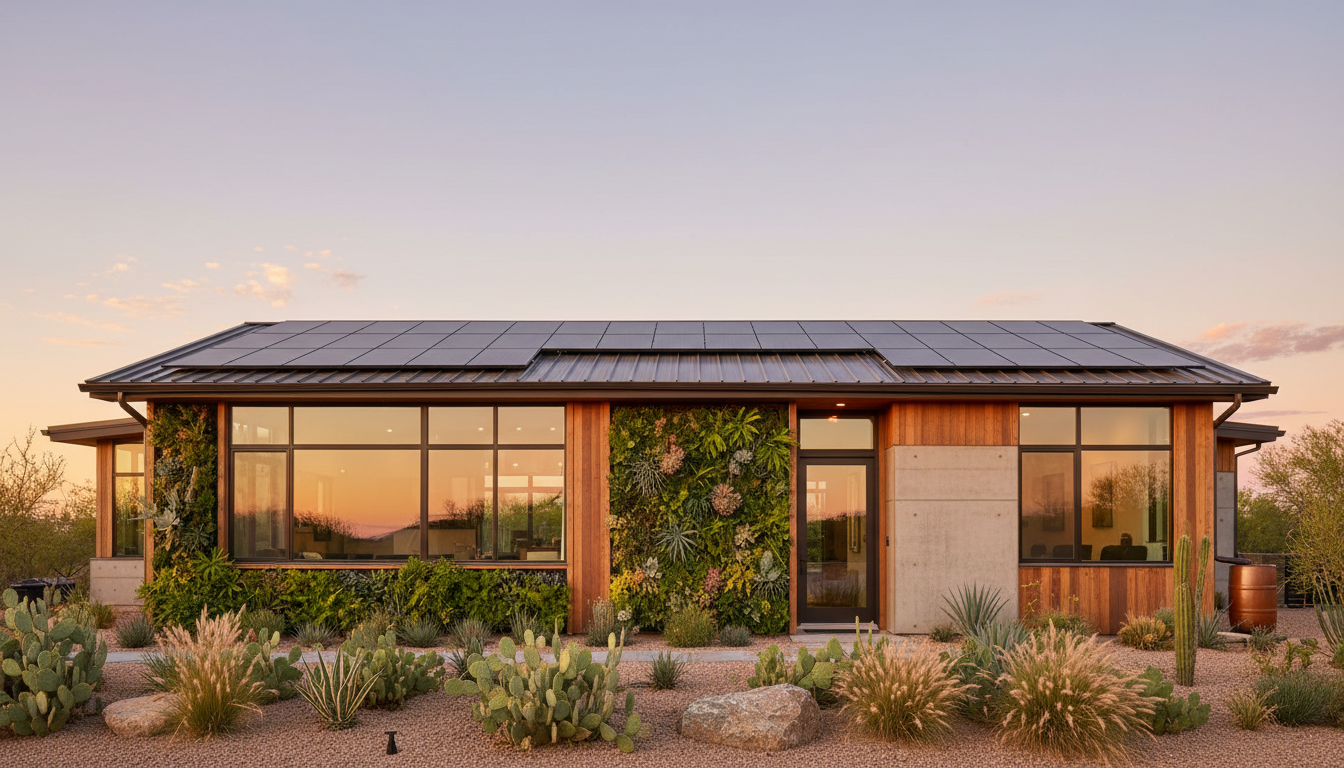
Sustainability is a key focus in modern commercial building design. Incorporating eco-friendly materials and energy-efficient systems can significantly reduce a building's environmental footprint. In Canada, programs like LEED (Leadership in Energy and Environmental Design) provide frameworks for sustainable construction.
Designers are increasingly using innovative solutions such as green roofs, solar panels, and rainwater harvesting systems. These elements not only contribute to environmental conservation but also offer cost savings in the long term.
Technology Integration in Building Design
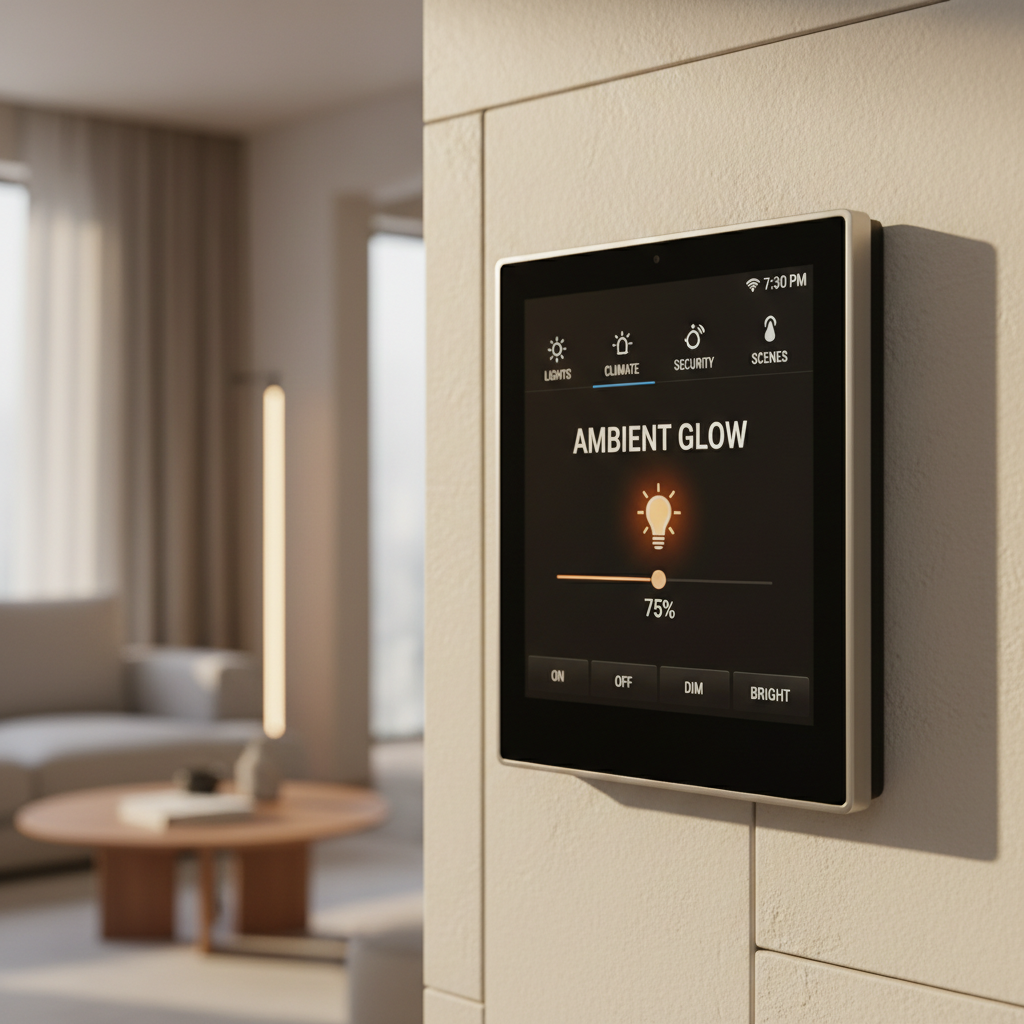
Technology plays a pivotal role in the design and function of commercial buildings. Smart building technologies, such as automated lighting and HVAC systems, enhance energy efficiency and user comfort. These systems can be integrated into the building's design to optimize performance and reduce operational costs.
Moreover, advancements in building information modeling (BIM) allow for more precise planning and execution of building projects. BIM technology facilitates collaboration among architects, engineers, and contractors, ensuring that all aspects of the design are meticulously planned and executed.
Creating Functional and Flexible Spaces
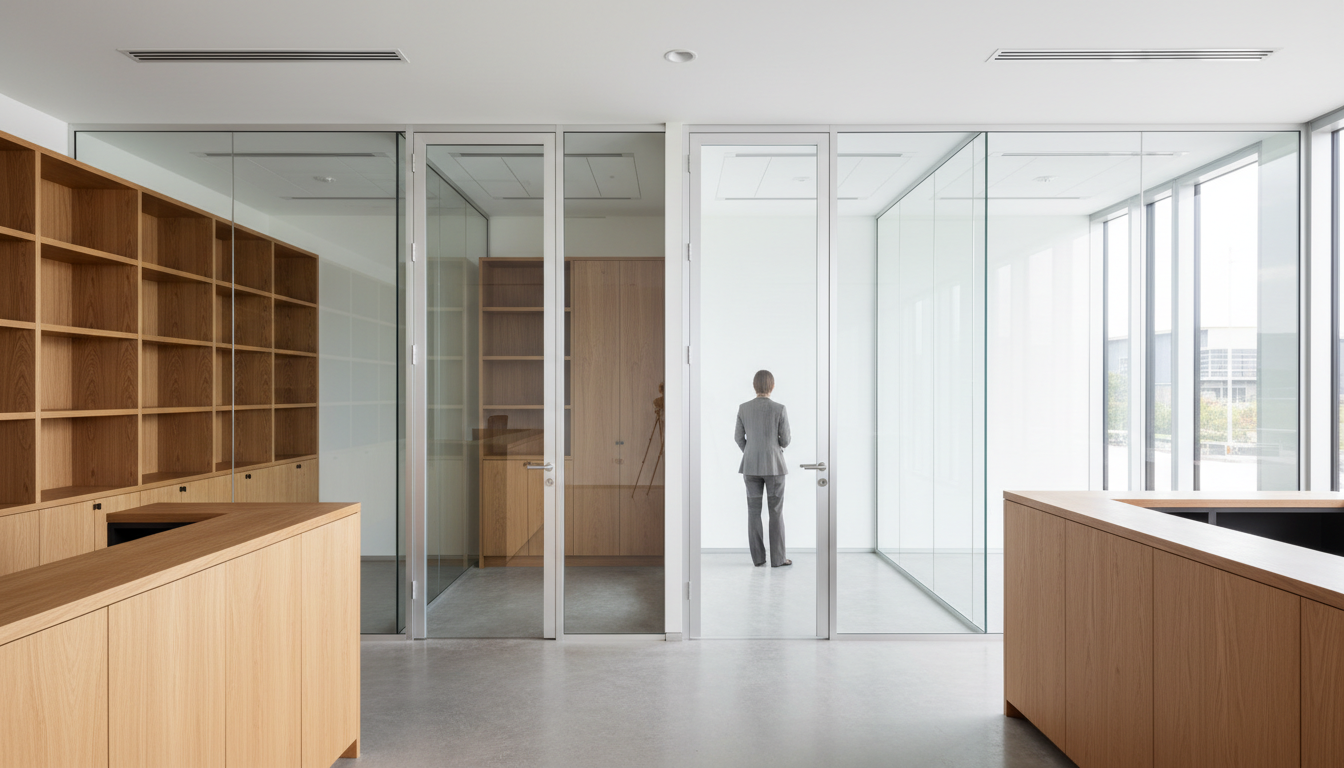
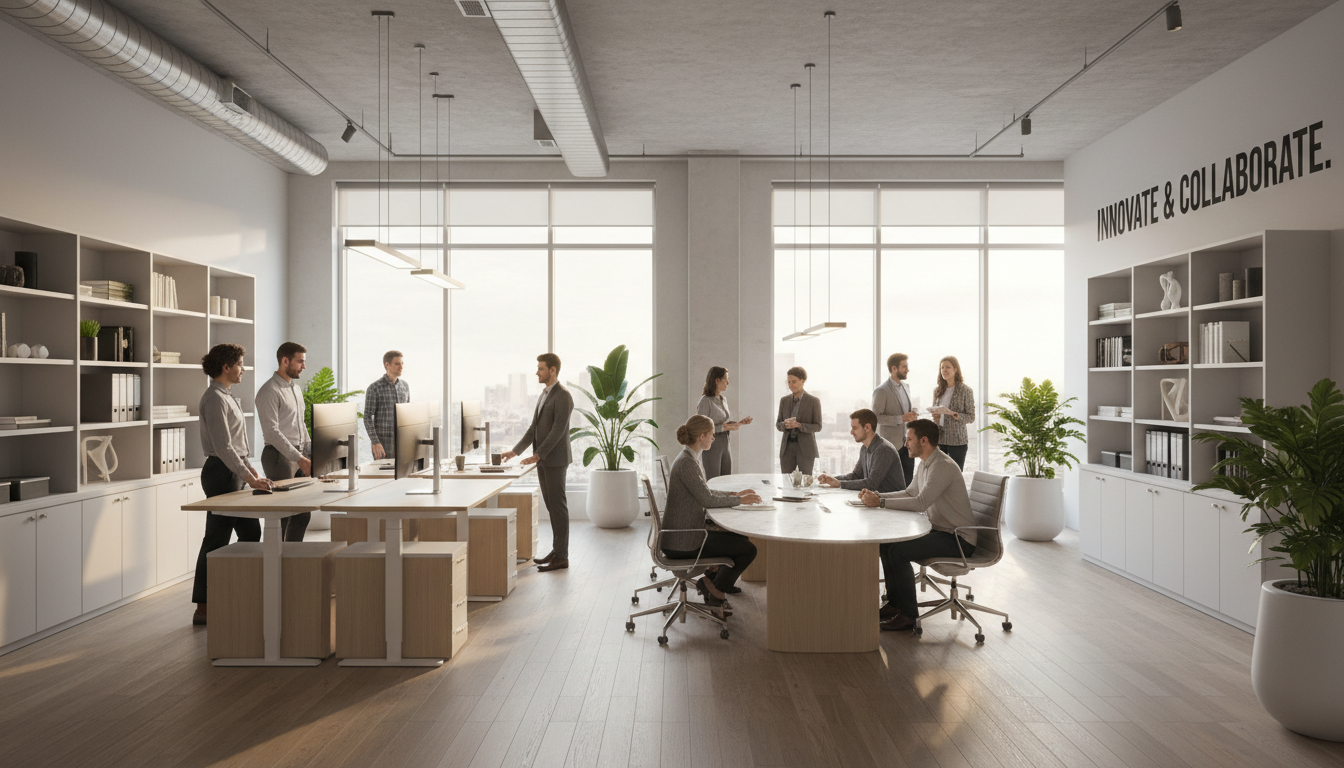
Commercial buildings must be designed with functionality and flexibility in mind. The ability to adapt spaces for various uses is crucial in today’s dynamic business environment. Open floor plans, movable walls, and modular furniture are popular solutions that allow for easy reconfiguration.
These flexible designs cater to the evolving needs of businesses and can accommodate changes in the workforce or business operations. By prioritizing adaptability, designers can create spaces that remain useful and relevant over time.
Incorporating Aesthetic Elements
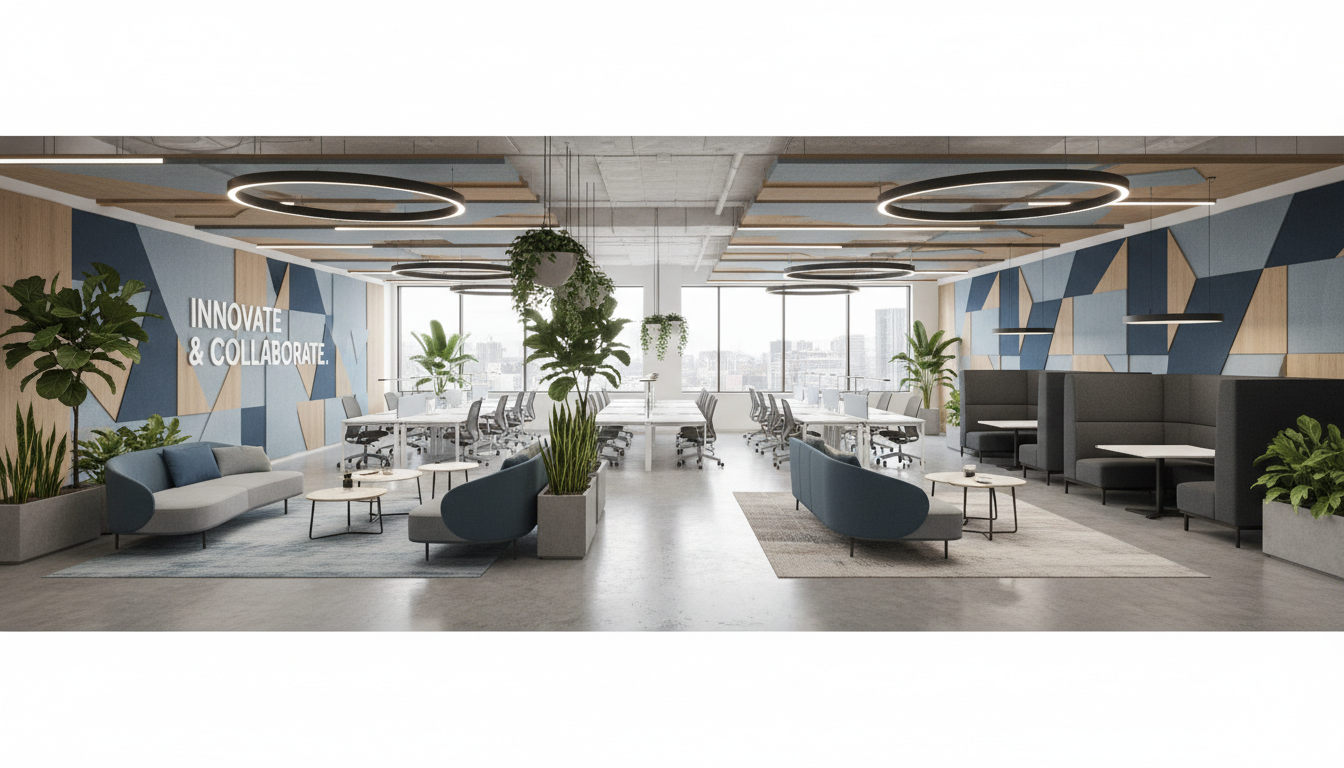
While functionality is paramount, aesthetics should not be overlooked. The visual appeal of a commercial building can significantly impact its success. Elements such as lighting, color schemes, and textures contribute to the overall ambiance and can influence how a space is perceived and used.
Incorporating local culture and art can also enhance the building’s connection with the community. A well-designed commercial space not only attracts customers but also inspires employees and enhances productivity.
Conclusion
Designing a commercial building in Canada is a multifaceted task that requires a balance of creativity, functionality, and adherence to regulations. By focusing on sustainability, technology integration, and flexibility, designers can create spaces that are both innovative and practical.
Understanding the various elements involved in commercial building design is essential for creating environments that meet the needs of businesses and their communities. As trends continue to evolve, the focus on sustainable and adaptable design will undoubtedly grow.