
Comprehensive Guide to Commercial Construction in Canada


Understanding Commercial Construction in Canada
Commercial construction in Canada is a vibrant and essential sector that plays a significant role in the country's economy. From office buildings to shopping centers, the commercial landscape is constantly evolving. Understanding the intricacies of this industry is crucial for anyone looking to engage in commercial construction projects.

Key Players in the Industry
The commercial construction industry in Canada involves several key players. These include developers, architects, engineers, contractors, and suppliers. Each of these stakeholders plays a vital role in ensuring the successful completion of projects. Developers initiate projects, architects design them, engineers ensure structural integrity, while contractors and suppliers bring the vision to life.
Collaboration among these players is essential. Effective communication and project management can significantly impact the timeline and budget of a construction project.
Regulations and Permits
Commercial construction in Canada is governed by strict regulations and requires numerous permits. These regulations ensure safety, environmental protection, and compliance with local standards. Before breaking ground, it's critical to obtain the necessary permits from municipal authorities.
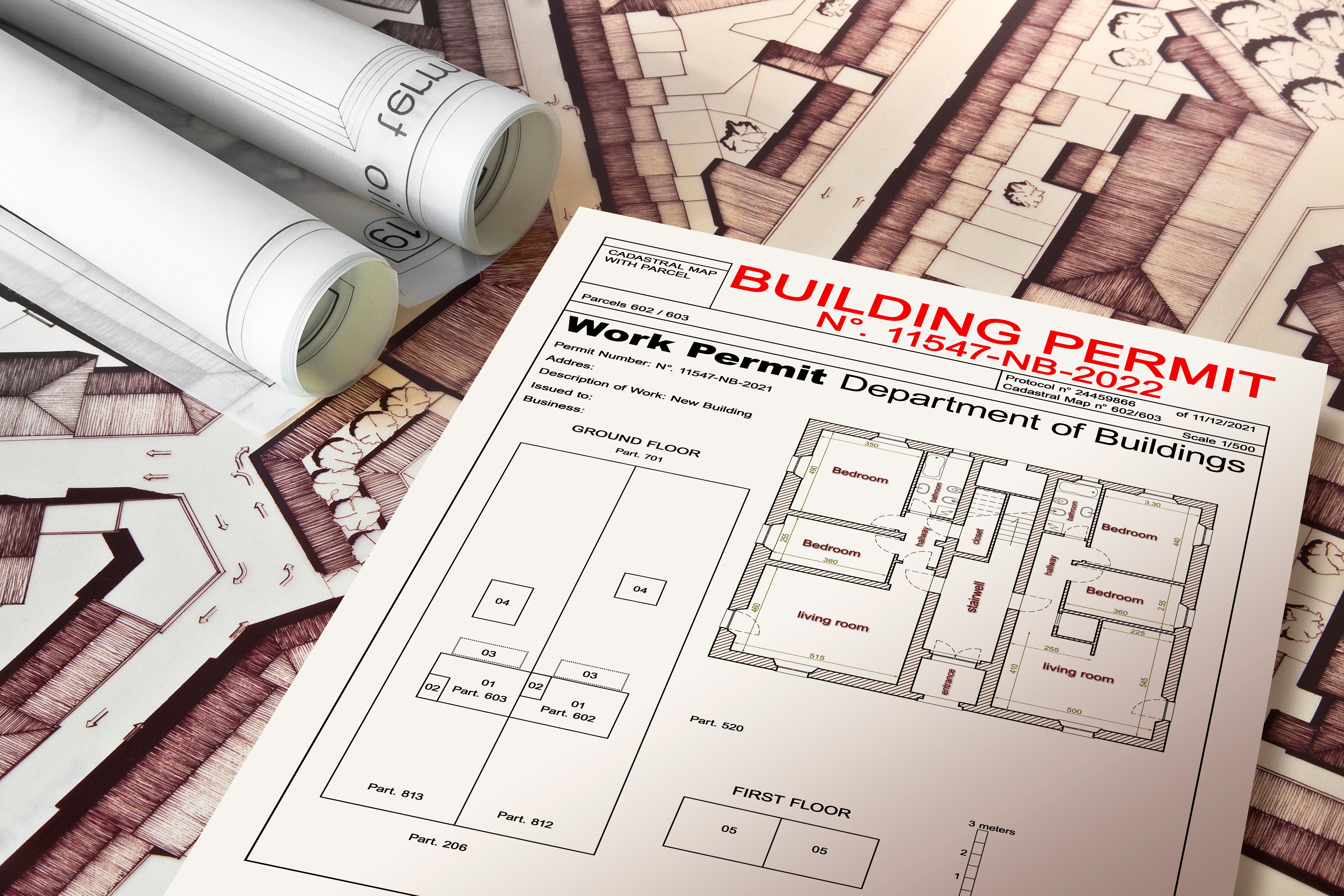
Regulations can vary significantly between provinces and municipalities. Therefore, working with professionals who understand local laws and requirements is crucial to avoid costly delays and fines.
Types of Commercial Projects
Commercial construction projects in Canada are diverse. They range from small retail spaces to large-scale office complexes. Some common types include:
- Retail Developments
- Office Buildings
- Industrial Facilities
- Hospitality Construction
- Healthcare Facilities
Each of these projects comes with its unique set of challenges and considerations, making experience in a specific type valuable.
Sustainability in Construction
Sustainability is becoming increasingly important in commercial construction. Canadian builders are adopting green building practices to reduce environmental impact. This includes using sustainable materials, energy-efficient designs, and waste reduction techniques.

Green certifications, such as LEED, are becoming more popular, as they not only help the environment but can also lead to significant cost savings in the long run.
Trends Shaping the Future
The future of commercial construction in Canada is promising, with several trends shaping its evolution. These include the integration of technology, such as Building Information Modeling (BIM), and the increasing use of prefabrication.
Moreover, the focus on smart buildings that utilize IoT devices for efficient operation is growing, making technology a significant factor in modern commercial construction.
Conclusion
Understanding the commercial construction landscape in Canada involves recognizing the roles of key players, navigating regulations, and embracing sustainability and technological advancements. By staying informed and working with experienced professionals, stakeholders can ensure the success of their commercial construction projects.