
Comprehensive Guide to Commercial Construction Planning


Understanding the Basics of Commercial Construction Planning
Commercial construction planning is a multifaceted process that requires careful attention to detail. It involves a series of steps from initial concept to final completion. Whether you're a seasoned developer or a first-time investor, understanding the intricacies of this process is crucial to success. In this guide, we'll walk you through the essential components of commercial construction planning.
Setting Clear Objectives
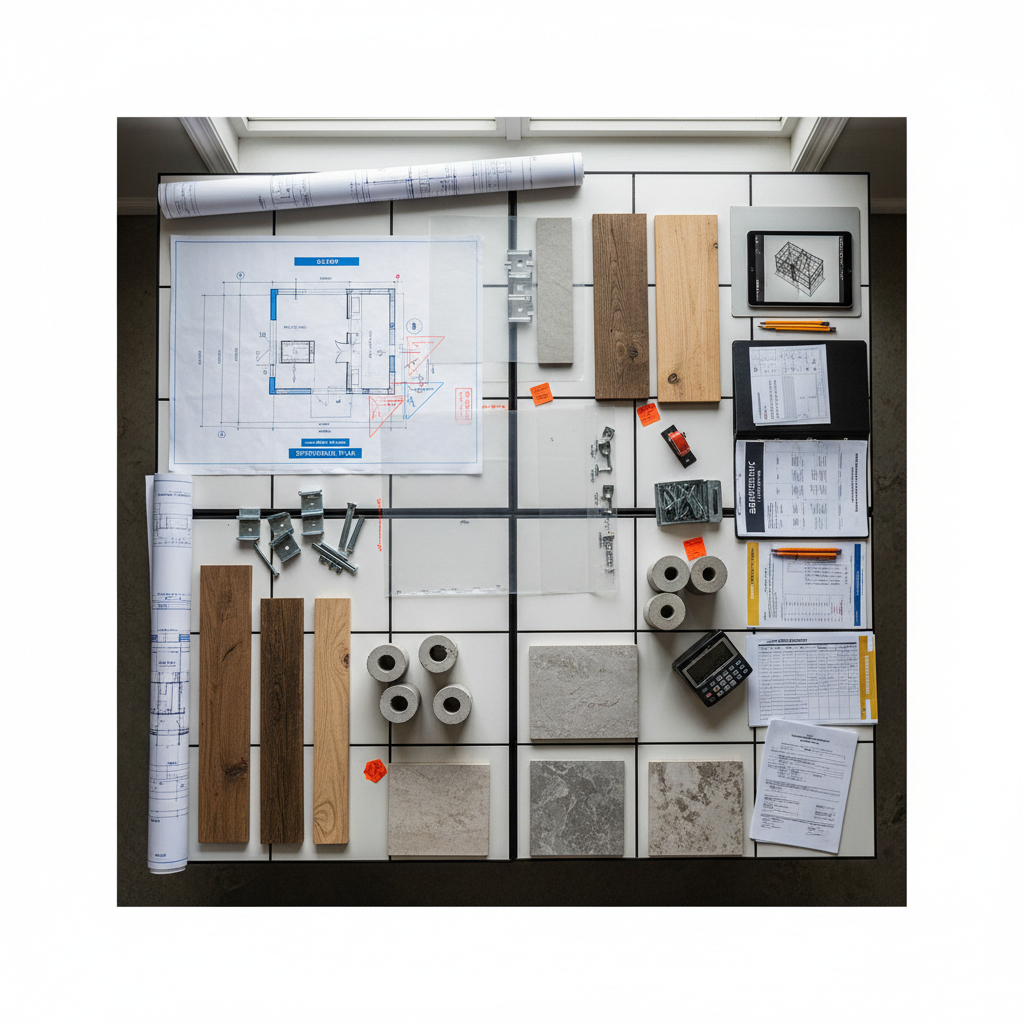
Before diving into the construction process, it's vital to establish clear objectives. These objectives will guide every decision, from design to budgeting. Consider what you want to achieve with the project and how it aligns with business goals. Define your target audience, intended use of the space, and any specific features that will set your project apart.
Conducting a Feasibility Study
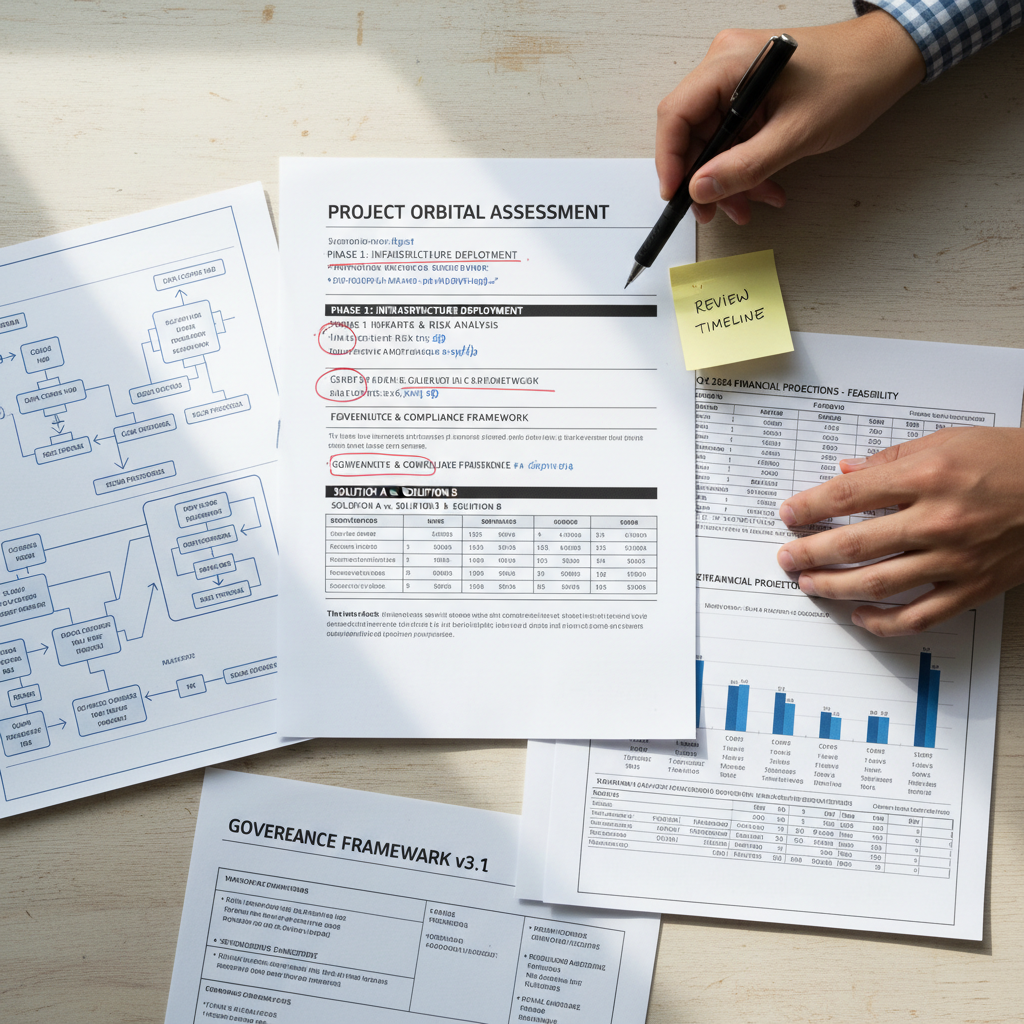
A feasibility study assesses whether your project is viable from a financial, legal, and logistical perspective. This study will analyze factors such as location, market demand, and potential return on investment. Partner with experienced professionals to ensure a thorough evaluation, helping you make informed decisions.
Design and Budgeting
Once the feasibility study confirms project viability, the next step is design and budgeting. Collaborate with architects and designers to create a blueprint that meets your objectives. Simultaneously, develop a detailed budget that covers all aspects of the project, from construction costs to permits.
Choosing the Right Construction Team
Selecting a reliable construction team is critical to the success of your project. Look for contractors with a proven track record in commercial construction. Check references, review previous projects, and ensure they have the necessary licenses and insurance. Building a solid team will help you navigate challenges effectively.

Obtaining Permits and Approvals
Before construction can begin, you must secure the necessary permits and approvals from local authorities. This step can be time-consuming, so it's essential to start early and be prepared with all required documentation. Engaging with a knowledgeable legal team can streamline this process.
Managing the Construction Process
With permits in hand, the construction phase can commence. Effective project management is crucial at this stage. Regular communication with your team ensures that the project stays on schedule and within budget. Utilize project management tools to track progress and address issues promptly.
Ensuring Quality Control
Quality control is a vital aspect of commercial construction planning. Implementing rigorous quality checks throughout the construction process helps prevent costly mistakes and ensures the final product meets your standards. Regular inspections and feedback loops are essential components of quality assurance.

Finalizing and Handover
As construction nears completion, focus on finalizing the project and preparing for handover. Conduct a thorough inspection to ensure all specifications are met. Address any remaining issues or touch-ups before officially handing over the property. A successful handover marks the culmination of meticulous planning and execution.