
Expert Insights: Trends Shaping the Future of Commercial Construction


Introduction
The commercial construction industry is undergoing a transformative phase, driven by technological advancements and evolving market demands. As we look to the future, several key trends are shaping the way projects are conceptualized, designed, and executed. Understanding these trends is crucial for industry professionals aiming to stay ahead of the curve.
Embracing Sustainable Practices
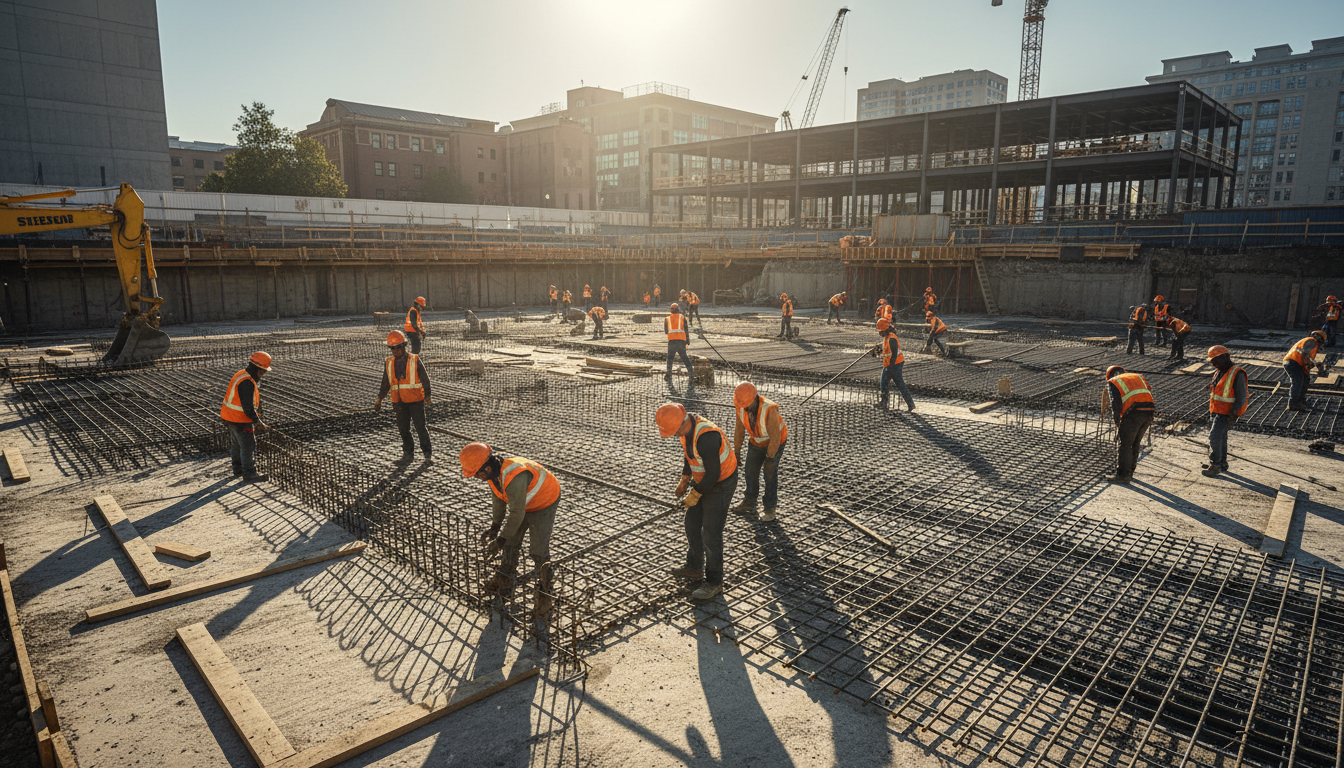
Sustainability has become a cornerstone of modern construction. Companies are increasingly prioritizing eco-friendly practices, from using sustainable materials to implementing energy-efficient designs. This shift not only helps reduce the carbon footprint but also meets the growing demand for green buildings.
Governments and regulatory bodies worldwide are also enforcing stricter environmental standards, making sustainability a non-negotiable aspect of commercial construction. Builders who adopt these practices are likely to see better client satisfaction and long-term savings.
The Role of Technology in Sustainability
Technology is playing a pivotal role in promoting sustainability. Innovations like smart building systems allow for real-time monitoring of energy usage, enabling more efficient resource management. Additionally, advancements in materials science are leading to the development of sustainable alternatives that do not compromise on quality or durability.

Design and Innovation
The future of commercial construction is also being shaped by innovative design practices. Architects and builders are leveraging digital tools to create more dynamic and adaptable spaces. The integration of virtual reality (VR) and augmented reality (AR) in the design process is allowing stakeholders to visualize projects more accurately before construction begins.
These technologies not only enhance creativity but also improve collaboration among architects, engineers, and clients, leading to more successful project outcomes.
Modular Construction
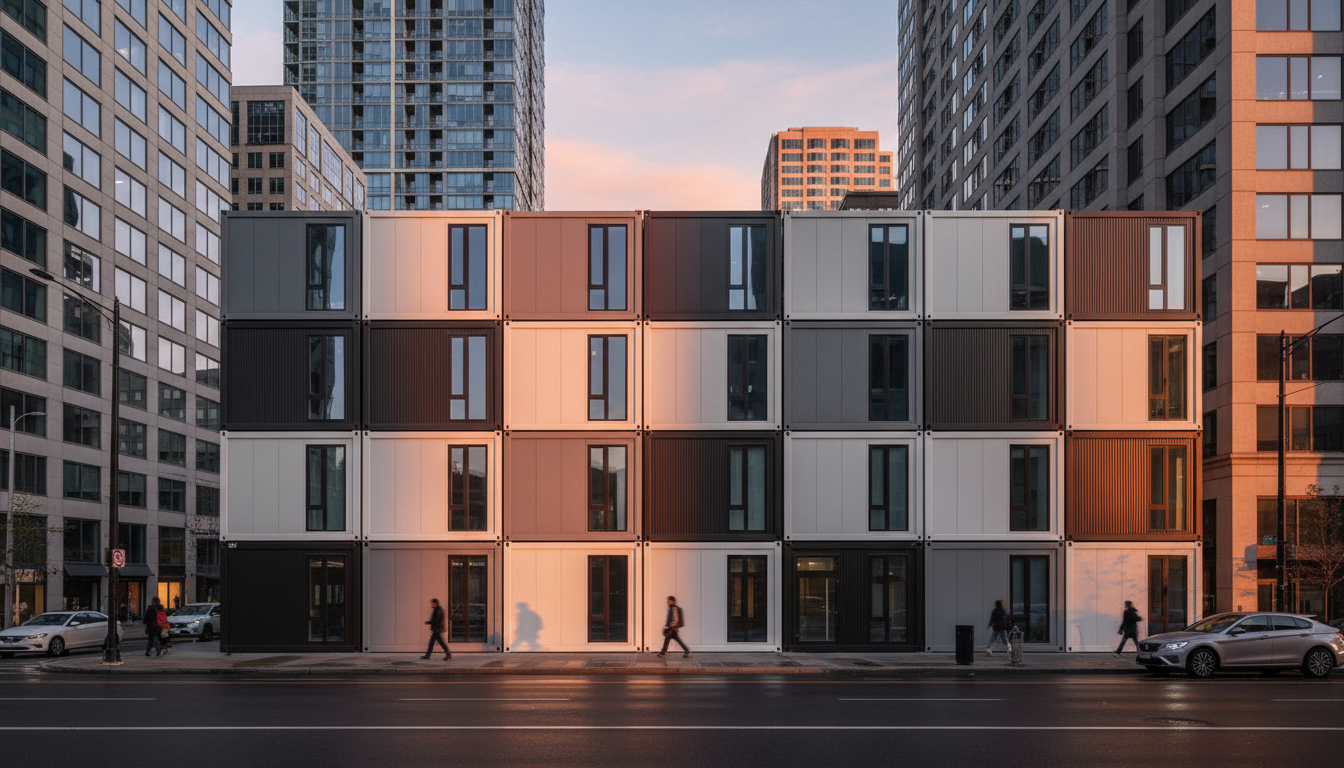
Modular construction is gaining traction as a cost-effective and time-efficient solution for the commercial sector. By prefabricating components off-site and assembling them on-site, companies can significantly reduce construction timelines and costs. This method is particularly beneficial for large-scale projects that require precision and speed.
Adoption of Digital Tools
The digitalization of construction processes is another significant trend. From Building Information Modeling (BIM) to project management software, digital tools are enhancing efficiency and accuracy in the industry. BIM, in particular, offers a collaborative platform that brings together all stakeholders to work on a single, unified model.
This integration helps in minimizing errors, reducing waste, and optimizing resource allocation, resulting in more streamlined operations and successful project delivery.
Data-Driven Decision Making
As more digital tools are adopted, the construction industry is becoming increasingly data-driven. Analytics and machine learning are being used to predict project outcomes, manage risks, and improve decision-making processes. This data-centric approach allows for more informed decisions, ultimately leading to better project performance.

Conclusion
The future of commercial construction is being shaped by sustainability, technology, innovative design, and digitalization. As these trends continue to evolve, industry professionals must remain adaptable and open to change. By embracing these advancements, construction companies can ensure they remain competitive and successful in an ever-changing landscape.