
Expert Tips for Eco-Friendly Commercial Building Designs


With growing awareness about environmental impact, eco-friendly commercial building designs are gaining popularity. Implementing sustainable practices not only benefits the environment but also reduces costs and enhances the building’s value. Here are some expert tips to help you design an eco-friendly commercial space.
Utilize Sustainable Materials
Choosing sustainable materials is a crucial step in eco-friendly building design. Opt for materials such as bamboo, recycled steel, and reclaimed wood. These options are not only environmentally friendly but also durable and aesthetically pleasing.
Additionally, consider materials with low VOC (Volatile Organic Compounds) emissions to improve indoor air quality. This can create a healthier environment for occupants, enhancing their well-being and productivity.

Optimize Energy Efficiency
Energy efficiency is a cornerstone of eco-friendly design. Implementing energy-efficient systems can significantly reduce a building's carbon footprint. Consider using LED lighting, smart thermostats, and energy-efficient HVAC systems.
Installing solar panels can further enhance energy efficiency by providing a renewable energy source. This not only reduces reliance on non-renewable energy but can also lead to substantial savings on energy bills.
Incorporate Smart Technology
Smart technology can play a vital role in energy management. Automated systems for lighting, heating, and cooling can optimize energy use, reducing waste and costs. These systems can be programmed to adjust settings based on occupancy and time of day.

Focus on Water Conservation
Water conservation is another essential aspect of sustainable design. Low-flow fixtures, dual-flush toilets, and efficient irrigation systems can greatly reduce water usage in commercial buildings.
Consider implementing rainwater harvesting systems. These systems collect rainwater for non-potable uses, such as irrigation and toilet flushing, further conserving water resources.
Design for Natural Light
Maximizing natural light can significantly reduce the need for artificial lighting, cutting down on energy use. Design spaces with large windows and open layouts to allow ample sunlight to penetrate the building.
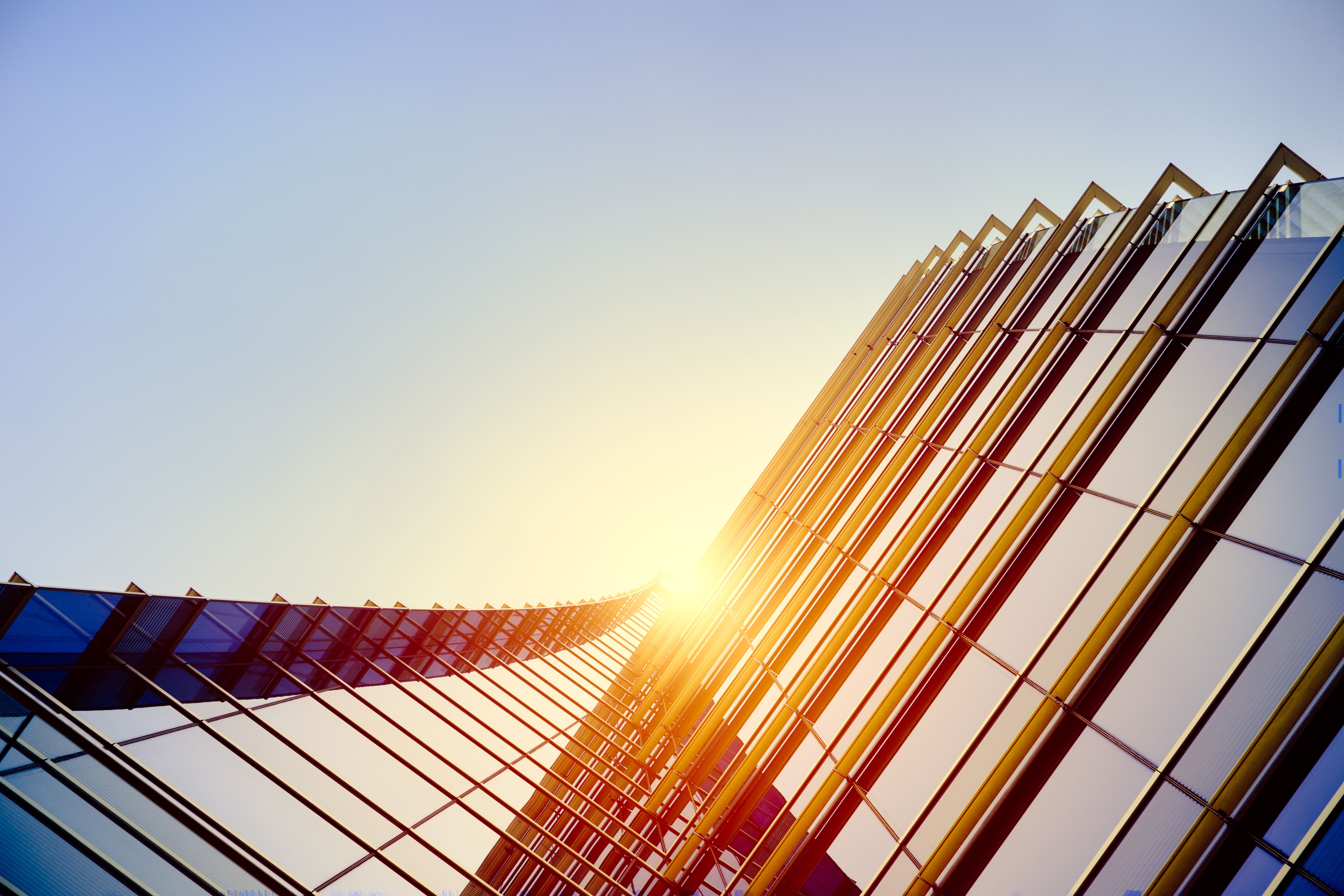
Using skylights and glass walls can also enhance natural lighting, creating a more inviting and productive environment for occupants.
Incorporate Green Spaces
Green spaces, such as rooftop gardens and green walls, can improve air quality and provide insulation, reducing heating and cooling needs. These spaces also offer aesthetic and psychological benefits, promoting well-being among occupants.
Designing with nature in mind can transform a commercial building into a sustainable and attractive space that aligns with environmental goals.