
Expert Tips for Managing Commercial Construction Projects Efficiently


Understanding Project Scope and Objectives
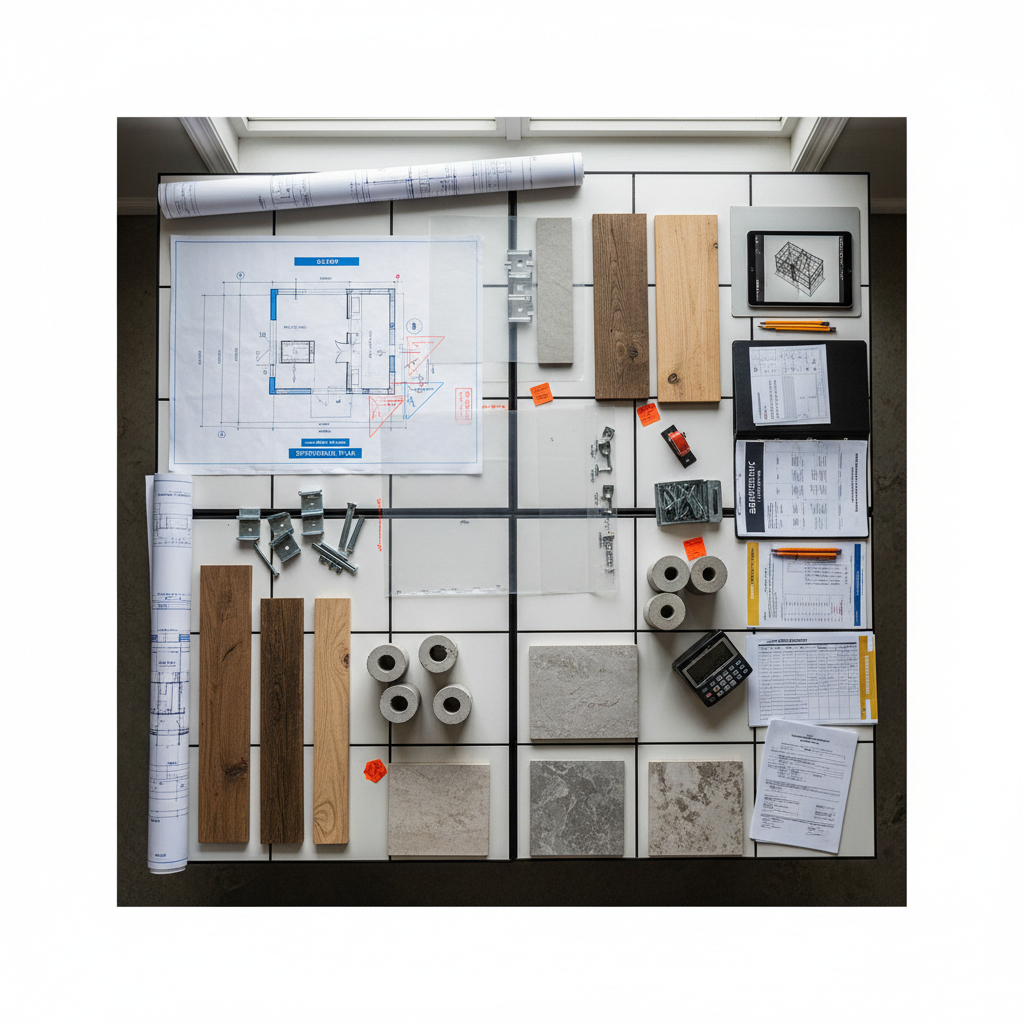
Successfully managing a commercial construction project begins with a clear understanding of the project scope and objectives. This involves defining the goals, deliverables, and timelines. A well-documented scope ensures that all stakeholders are on the same page and helps prevent scope creep, which can lead to delays and cost overruns.
Assembling the Right Team
An experienced and skilled team is crucial for efficient project management. This includes architects, engineers, contractors, and project managers. Each team member should understand their responsibilities and how they contribute to the project's success. Regular meetings and open communication channels help maintain alignment and address any issues promptly.
Key Roles and Responsibilities
Assigning clear roles and responsibilities is essential. Project managers should oversee the entire process, while contractors handle the day-to-day construction activities. Effective leadership and accountability ensure that tasks are completed on time and to the required standards.
Effective Budget Management
Cost control is a significant aspect of managing construction projects. Developing a detailed budget that includes all potential expenses helps prevent financial surprises. Regularly reviewing the budget and making necessary adjustments is crucial to staying on track.

Utilizing Technology
Incorporating technology, such as construction management software, can enhance budget tracking and overall project efficiency. These tools allow for real-time monitoring of expenses and resource allocation, enabling more informed decision-making.
Adhering to Safety Standards
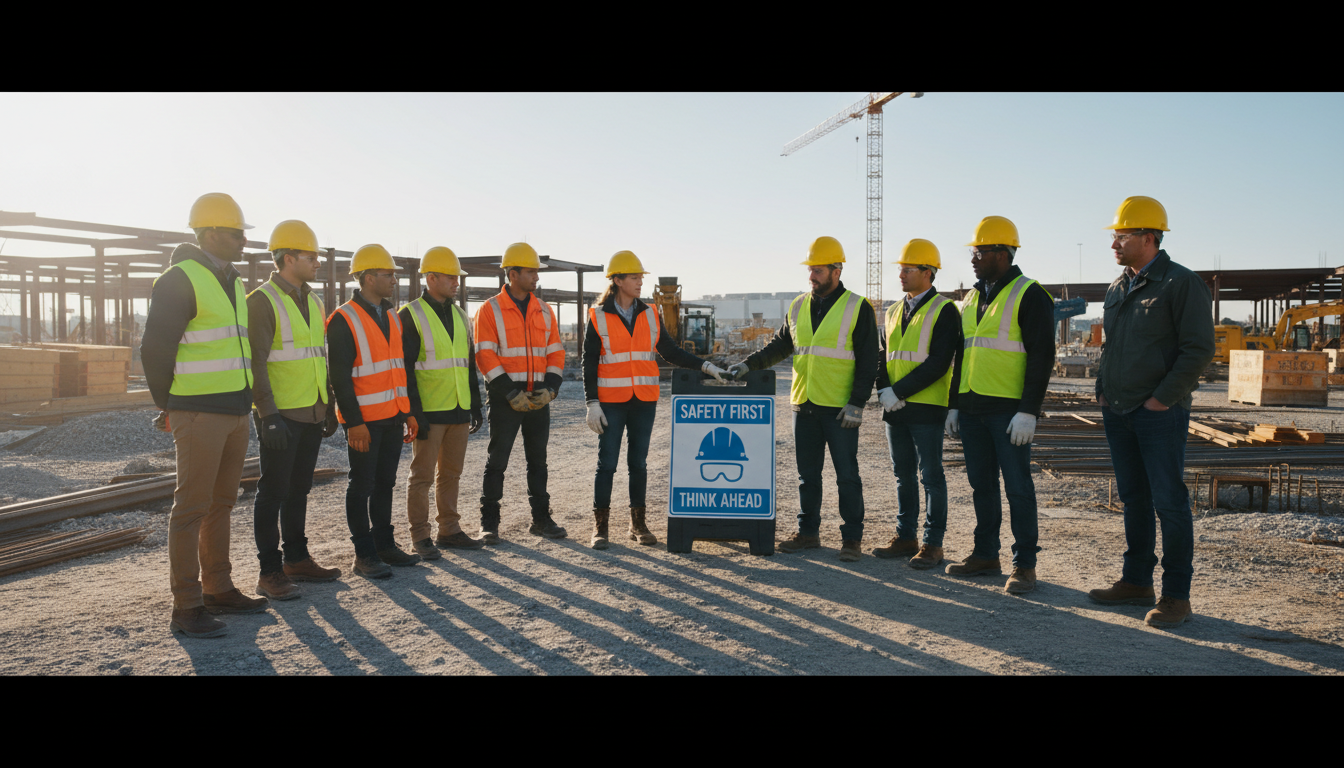
Ensuring safety on the construction site is non-negotiable. Implementing comprehensive safety protocols protects workers and minimizes the risk of accidents. Regular safety training and inspections are vital components of a proactive safety strategy.
Compliance with Regulations
Staying compliant with local building codes and regulations is essential. This not only ensures the safety and legality of the project but also prevents potential fines or legal issues that could derail the project.
Efficient Communication
Clear and consistent communication among all parties involved is critical for the smooth execution of a construction project. Establishing a communication plan that outlines how information will be shared can significantly reduce misunderstandings and delays.
Utilizing Collaborative Tools
Tools like video conferencing, messaging apps, and document-sharing platforms facilitate seamless collaboration among team members, regardless of their physical location. These tools help keep everyone informed and engaged throughout the project.
Monitoring Progress and Quality
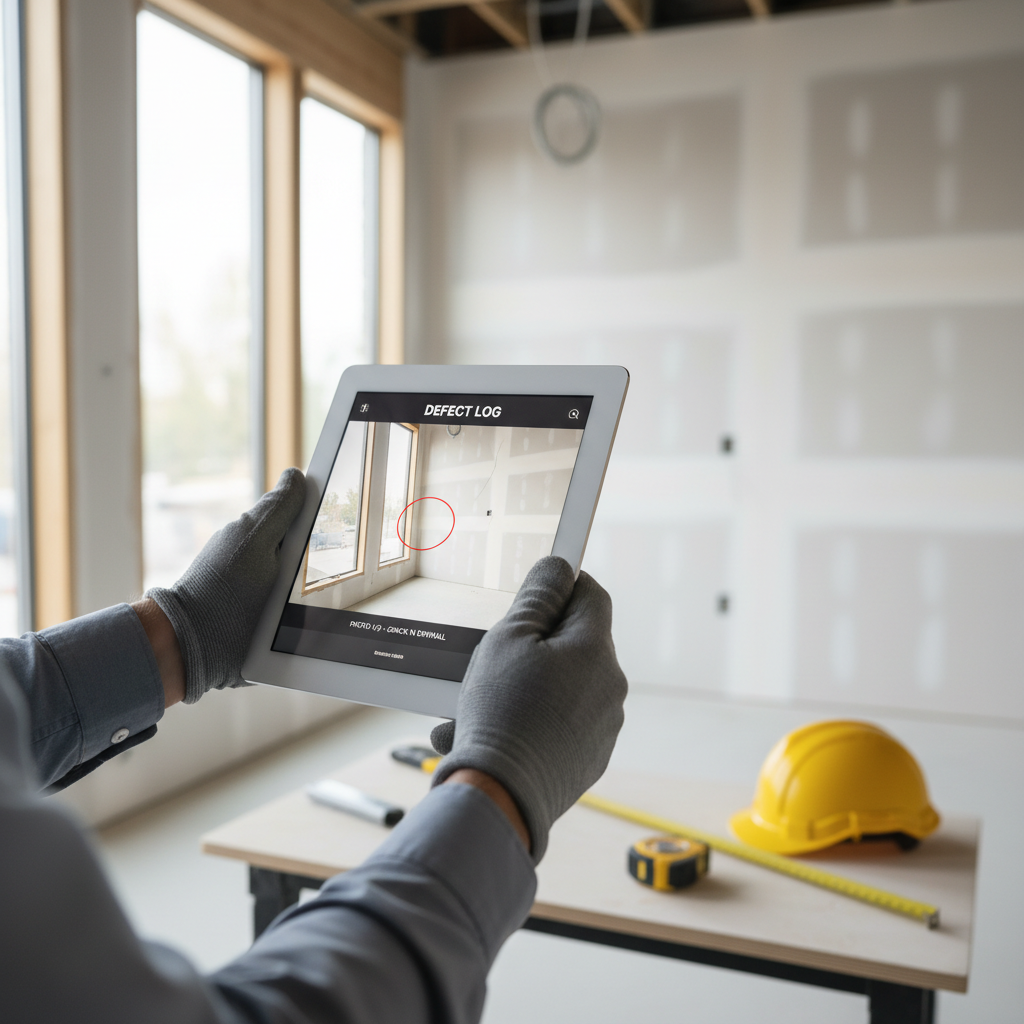
Regular monitoring of project progress and quality ensures that the work meets the specified standards and timelines. Conducting routine inspections and addressing any deviations promptly can help maintain project momentum and quality.
Adjusting Plans When Necessary
Flexibility is key in construction project management. Being prepared to adjust plans in response to unforeseen challenges or changes in client requirements can help keep the project on track. This adaptability ensures that the project remains aligned with its original objectives.