
Expert Tips for Successful Commercial Building Design


Understanding the Basics of Commercial Building Design
Commercial building design is a complex process that involves a blend of aesthetics, functionality, and sustainability. Whether you're designing a retail store, office space, or a large industrial complex, getting the fundamentals right is crucial. The design should not only meet the needs of your clients but also comply with local regulations and building codes.
Prioritize Functionality and Flexibility
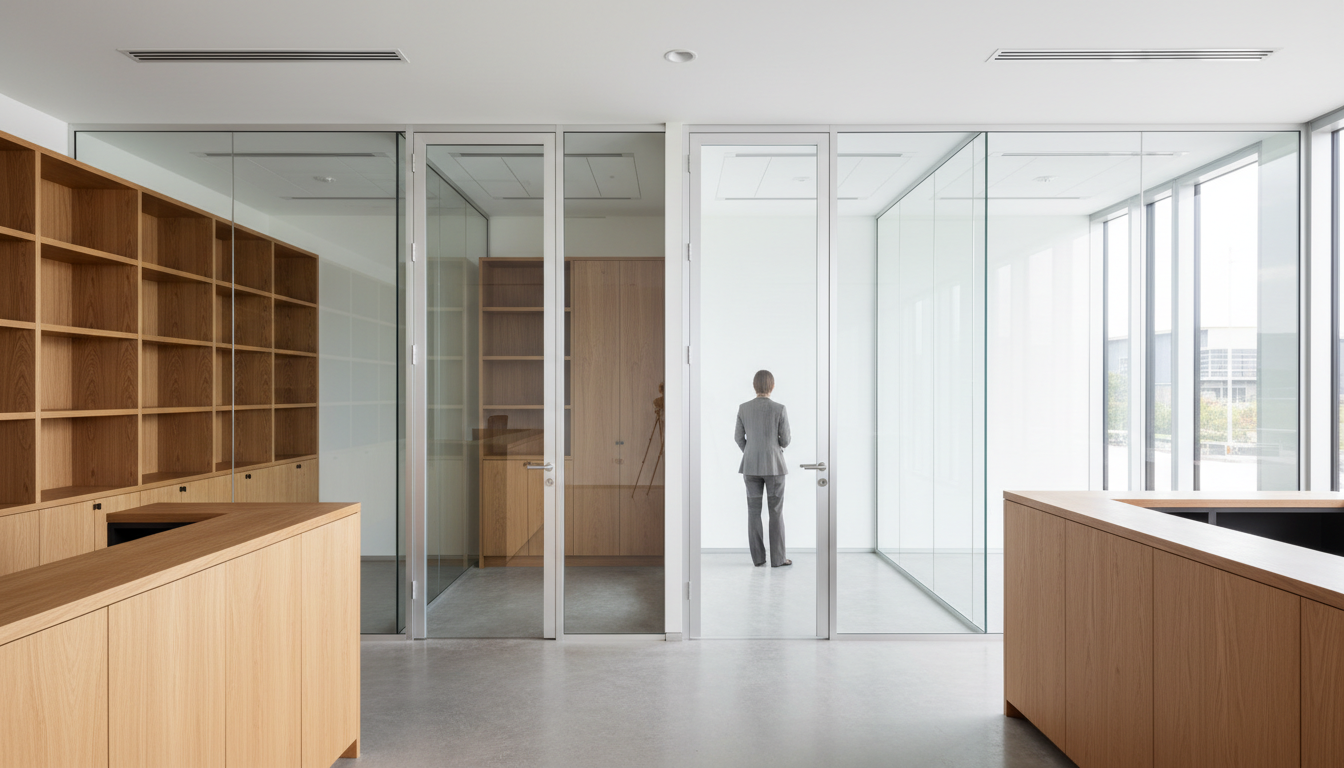
One of the primary considerations in commercial building design is functionality. The space must serve its intended purpose effectively. For instance, an office building should facilitate productivity and collaboration, while a retail space should enhance the shopping experience. Flexibility is also key, allowing spaces to adapt to changing needs over time.
Incorporate Sustainable Practices
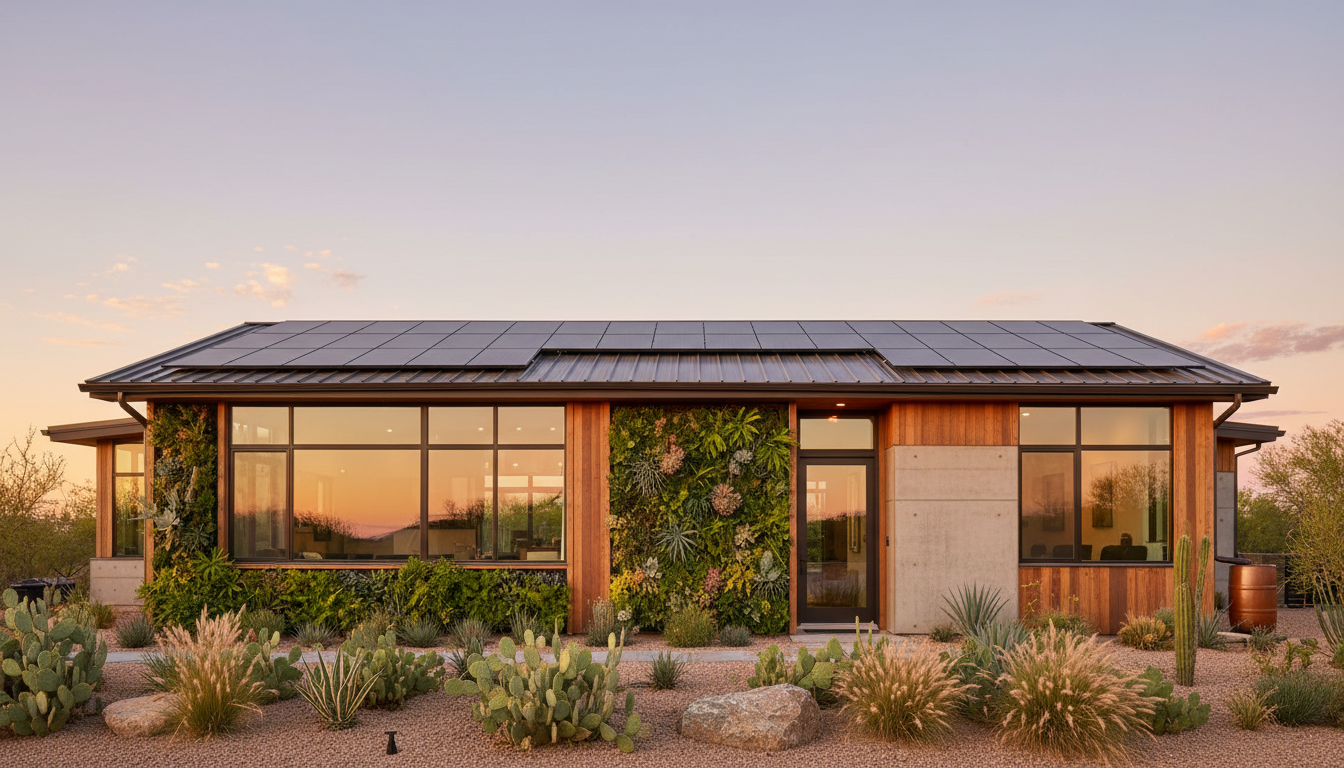
With growing awareness of environmental impact, integrating sustainable practices in design is more important than ever. Implementing energy-efficient systems, using sustainable materials, and designing for natural light can significantly reduce a building's carbon footprint. Not only does this benefit the environment, but it can also lead to cost savings and improved occupant well-being.
Emphasizing Aesthetic Appeal
While functionality is critical, the aesthetic appeal of a commercial building should not be overlooked. A well-designed building can enhance brand identity and attract clients or customers. Consider elements such as color schemes, textures, and architectural styles that align with the business's image and values.
Focus on Safety and Compliance
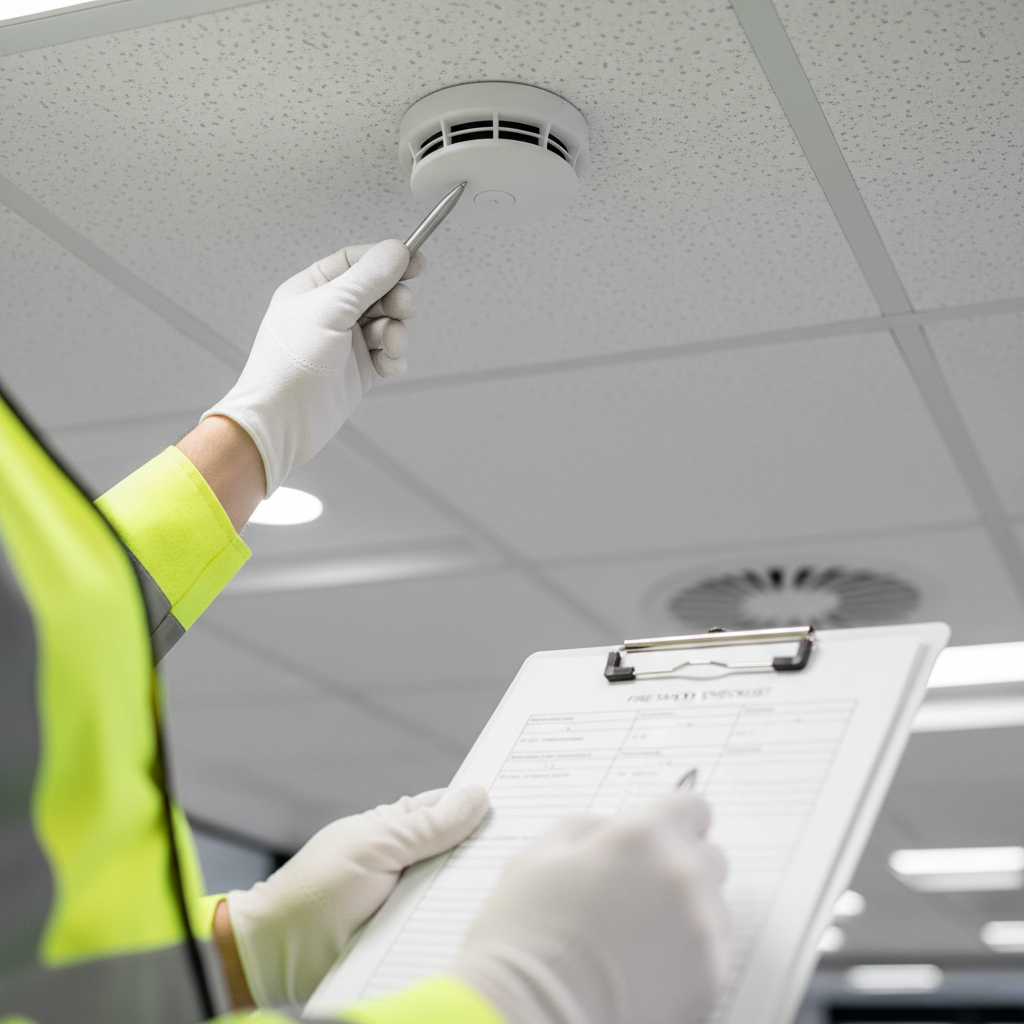
Ensuring safety and compliance with building codes and regulations is non-negotiable. This involves thorough planning and coordination with engineers and safety experts. Incorporate fire safety measures, accessibility features, and proper ventilation systems to create a secure environment for all users.
Leveraging Technology in Design
Technology plays a pivotal role in modern commercial building design. Utilizing advanced design software and tools can streamline the design process, allowing for more accurate visualizations and modifications. Additionally, smart building technologies can enhance operational efficiency and user experience.
Engage Stakeholders Throughout the Process
Collaboration with stakeholders, including clients, contractors, and end-users, is essential for a successful design. Regular communication ensures that all parties are aligned and that the design meets everyone's needs and expectations. Gathering feedback at various stages can lead to more informed decisions and better outcomes.
Plan for Future Growth
Businesses evolve, and so should their physical spaces. Designing with future growth in mind can save time and resources in the long run. Consider scalable solutions and modular designs that allow for easy expansion or reconfiguration as the business grows or changes direction.
By incorporating these expert tips into your commercial building design strategy, you can create spaces that are not only beautiful and functional but also sustainable and adaptable. These principles will help ensure that your project stands the test of time and meets the diverse needs of its users.