
Expert Tips for Sustainable Commercial Building Design


Understanding Sustainable Commercial Building Design
Sustainable commercial building design is more than just a trend; it's a necessity for the future. As businesses look to reduce their carbon footprint and appeal to environmentally conscious consumers, sustainable practices in architecture and construction are becoming increasingly important. But what exactly does sustainable design entail?
At its core, sustainable building design focuses on reducing energy consumption, utilizing renewable resources, and minimizing waste. This not only benefits the environment but also reduces operational costs and enhances the health and well-being of occupants.

Energy Efficiency and Renewable Resources
One of the primary goals of sustainable design is energy efficiency. This can be achieved through the use of high-performance insulation, energy-efficient windows, and advanced HVAC systems. Incorporating renewable energy sources like solar panels or wind turbines can further reduce the building's reliance on non-renewable energy.
Consider the orientation of the building to maximize natural light and reduce the need for artificial lighting. Implementing smart building technologies can also optimize energy usage, adjusting lighting, heating, and cooling based on occupancy and time of day.
Material Choices and Waste Reduction
The materials used in construction play a crucial role in sustainability. Opt for materials that are locally sourced, recycled, or have a low environmental impact. Using materials such as bamboo, reclaimed wood, and recycled metal can significantly reduce the carbon footprint of a building.
Waste reduction strategies during construction are equally important. This includes effective planning to minimize excess materials, recycling construction debris, and designing for adaptability and deconstruction to extend the building's lifecycle.

Indoor Environmental Quality
The health and well-being of building occupants are essential components of sustainable design. Focus on improving indoor air quality by using non-toxic paints, sealants, and finishes. Proper ventilation systems, combined with natural air flow, can further enhance air quality.
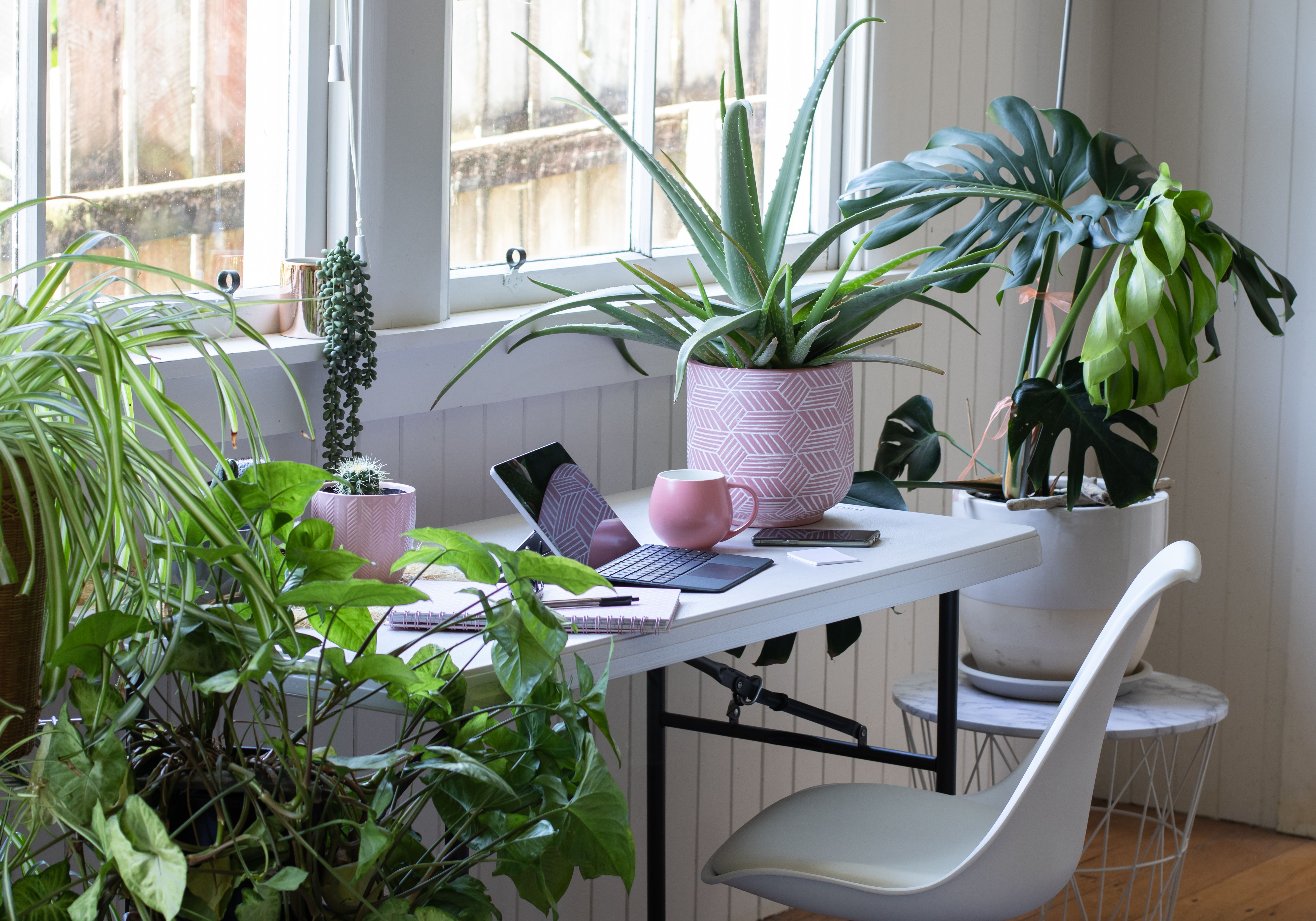
Incorporating biophilic design elements, such as indoor plants and nature-inspired aesthetics, can improve mental health and productivity. Natural lighting and views of the outdoors are also beneficial for creating a more pleasant and healthier work environment.
Water Conservation Strategies
Water conservation is a critical aspect of sustainable building design. Implementing low-flow fixtures, efficient irrigation systems, and rainwater harvesting can significantly reduce water usage. Consider using greywater systems to recycle water for non-potable uses like landscaping and toilet flushing.
Landscape design should incorporate native plants that require minimal irrigation. This not only conserves water but also supports local biodiversity and creates a sustainable ecosystem around the building.
Long-Term Benefits of Sustainable Design
Investing in sustainable commercial building design offers a myriad of long-term benefits. It can lead to significant cost savings in energy and water bills, increased property value, and a stronger brand reputation. Moreover, many governments offer incentives for green building certifications, which can further offset initial investment costs.
As the world moves towards a more sustainable future, businesses that embrace environmentally friendly practices will be at the forefront of innovation and leadership. Sustainable design is not just an ethical choice but a smart business strategy that aligns with the values of today's consumers and employees.