
How to Choose the Right Materials for Your Commercial Building in Canada


Choosing the right materials for your commercial building in Canada is crucial for ensuring durability, energy efficiency, and cost-effectiveness. Canada's diverse climate conditions demand careful consideration of materials to withstand everything from heavy snowfall to humid summers. Here's a guide to help you make informed decisions.
Understand the Climate
Canada's climate varies significantly from coast to coast. In regions with harsh winters, such as the Prairies or Northern Canada, materials that offer excellent insulation and resist freezing temperatures are essential. Conversely, areas with milder climates, like parts of British Columbia, might prioritize moisture resistance.

Insulation and Energy Efficiency
Energy efficiency is a top priority in commercial building design. High-quality insulation materials like spray foam, fiberglass, or rigid foam boards can significantly reduce heating and cooling costs. Consider materials with high R-values, which measure thermal resistance, to ensure maximum efficiency. Investing in energy-efficient windows and doors also plays a crucial role.
Material Durability and Maintenance
The longevity and maintenance requirements of building materials are critical factors. Opt for materials that are not only durable but also easy to maintain. Steel and concrete are popular choices for their strength and minimal upkeep. However, natural materials like wood can offer aesthetic appeal and sustainability if properly treated and maintained.
Environmental Impact
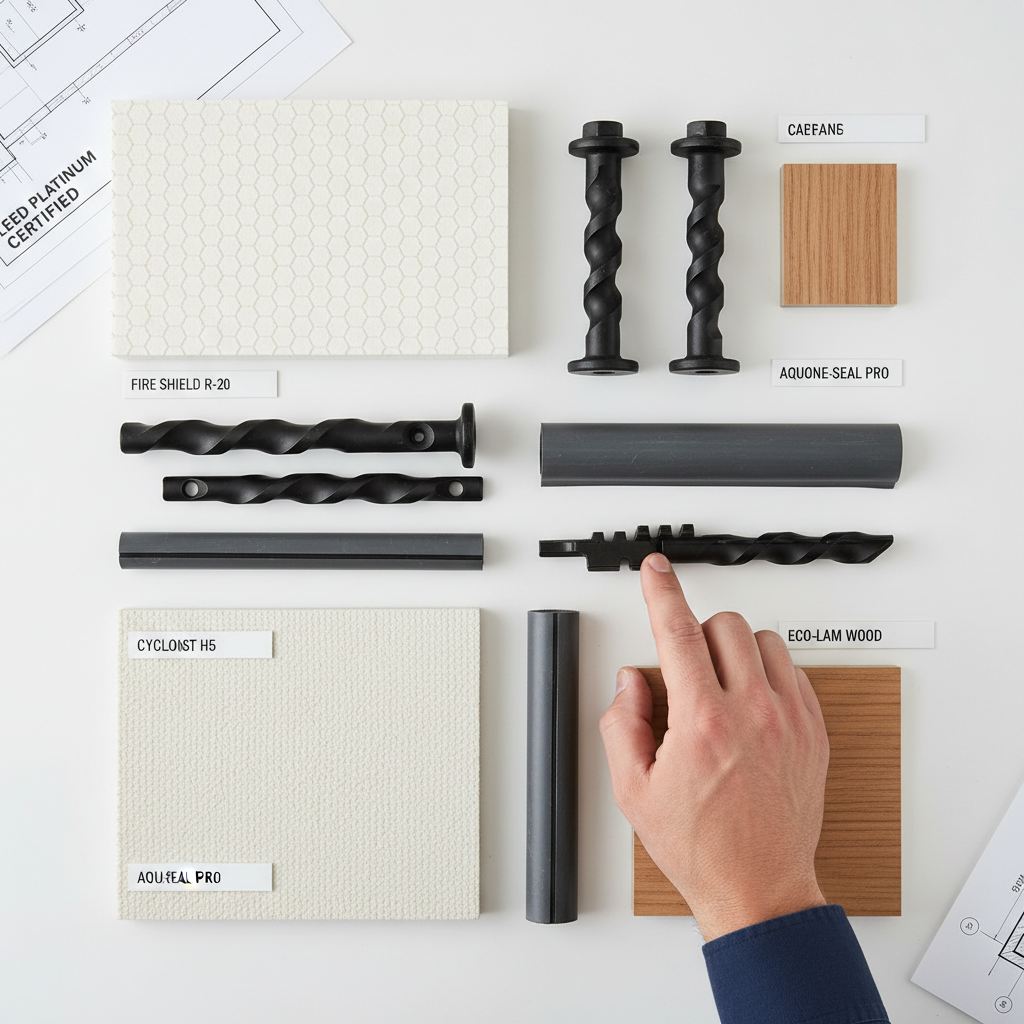
With growing emphasis on sustainability, consider the environmental impact of your material choices. Look for materials sourced from renewable resources or those that can be recycled. Green building certifications, such as LEED, can guide you in selecting eco-friendly options. Using locally sourced materials can also reduce transportation emissions and support the local economy.
Budget Considerations
Your budget will naturally influence material selection. While it's tempting to cut costs, investing in high-quality materials can save money in the long run by reducing maintenance and energy costs. Create a balanced budget that accommodates both initial expenses and projected savings over time.

Compliance with Local Codes and Standards
Ensure that your material choices comply with Canadian building codes and standards. These regulations are designed to ensure safety and structural integrity. Consulting with a professional architect or contractor can provide insights into the necessary compliance requirements and help you avoid costly mistakes.
Aesthetic Appeal
The visual impact of your commercial building is important for branding and attracting clients. Choose materials that align with your business's image and the surrounding environment. Whether it’s the sleek look of glass and steel or the rustic charm of brick and wood, the right choice can enhance your building's appeal.
In conclusion, selecting the right materials for your commercial building in Canada involves balancing climate considerations, energy efficiency, durability, environmental impact, budget, compliance, and aesthetics. By carefully evaluating these factors, you can make informed decisions that contribute to the success and longevity of your commercial space.