
Preparing Your Business for Winter: Commercial Construction Tips


Understanding the Impact of Winter on Commercial Buildings
Winter can pose significant challenges to commercial buildings, affecting everything from structural integrity to energy efficiency. Preparing your business for the colder months is crucial to maintaining a safe and efficient environment. By taking proactive measures, you can mitigate potential issues and ensure your operations continue smoothly.
Assessing Structural Vulnerabilities
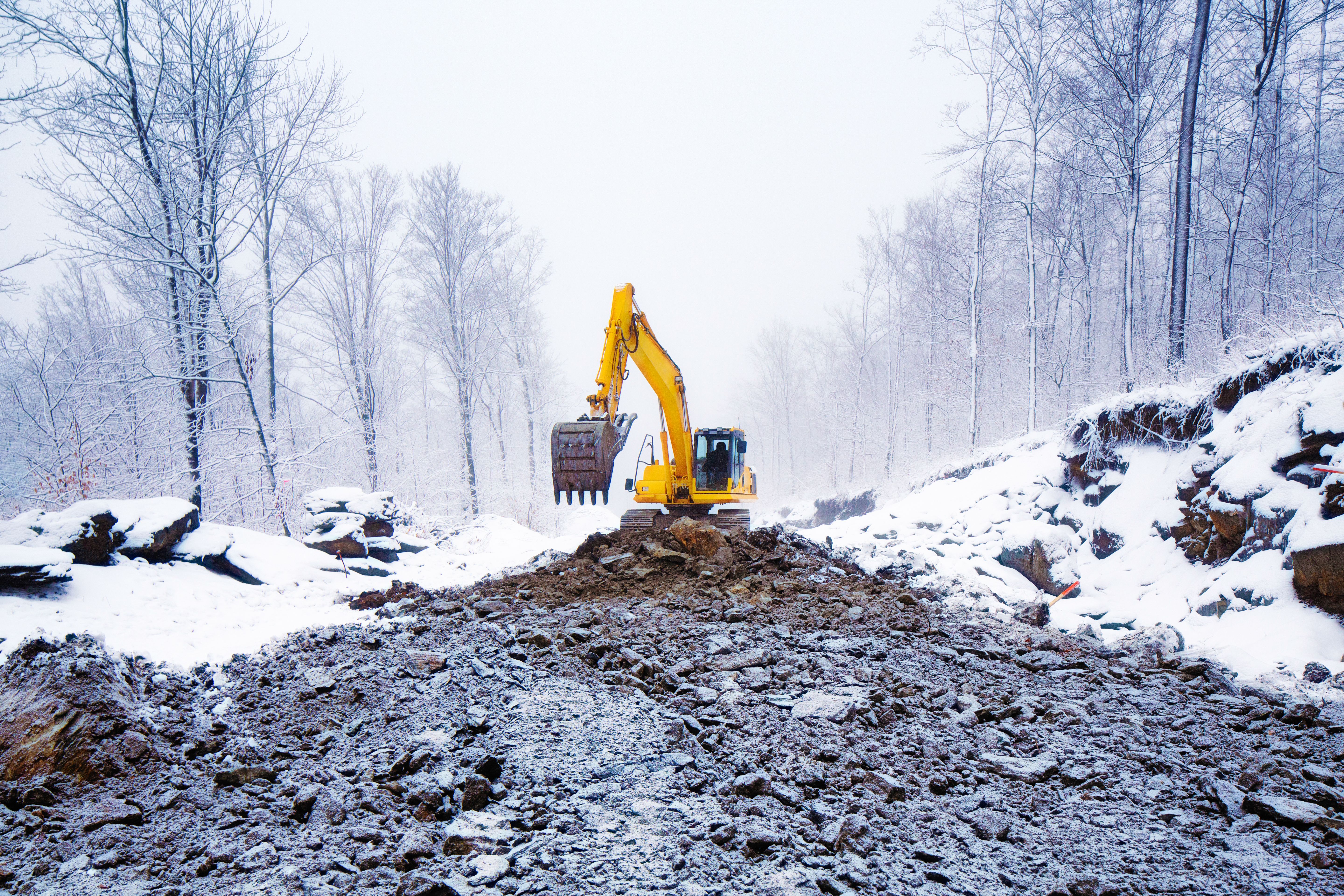
Before winter sets in, it’s essential to assess your building for any structural vulnerabilities. Look for cracks in the foundation, roof leaks, and areas where insulation may be lacking. Addressing these issues early can prevent more extensive damage caused by ice and snow accumulation.
Consider hiring a professional to conduct a thorough inspection. They can identify problems that might not be visible to the untrained eye and suggest appropriate remedies. This proactive approach can save both time and money in the long run.
Enhancing Insulation and Energy Efficiency
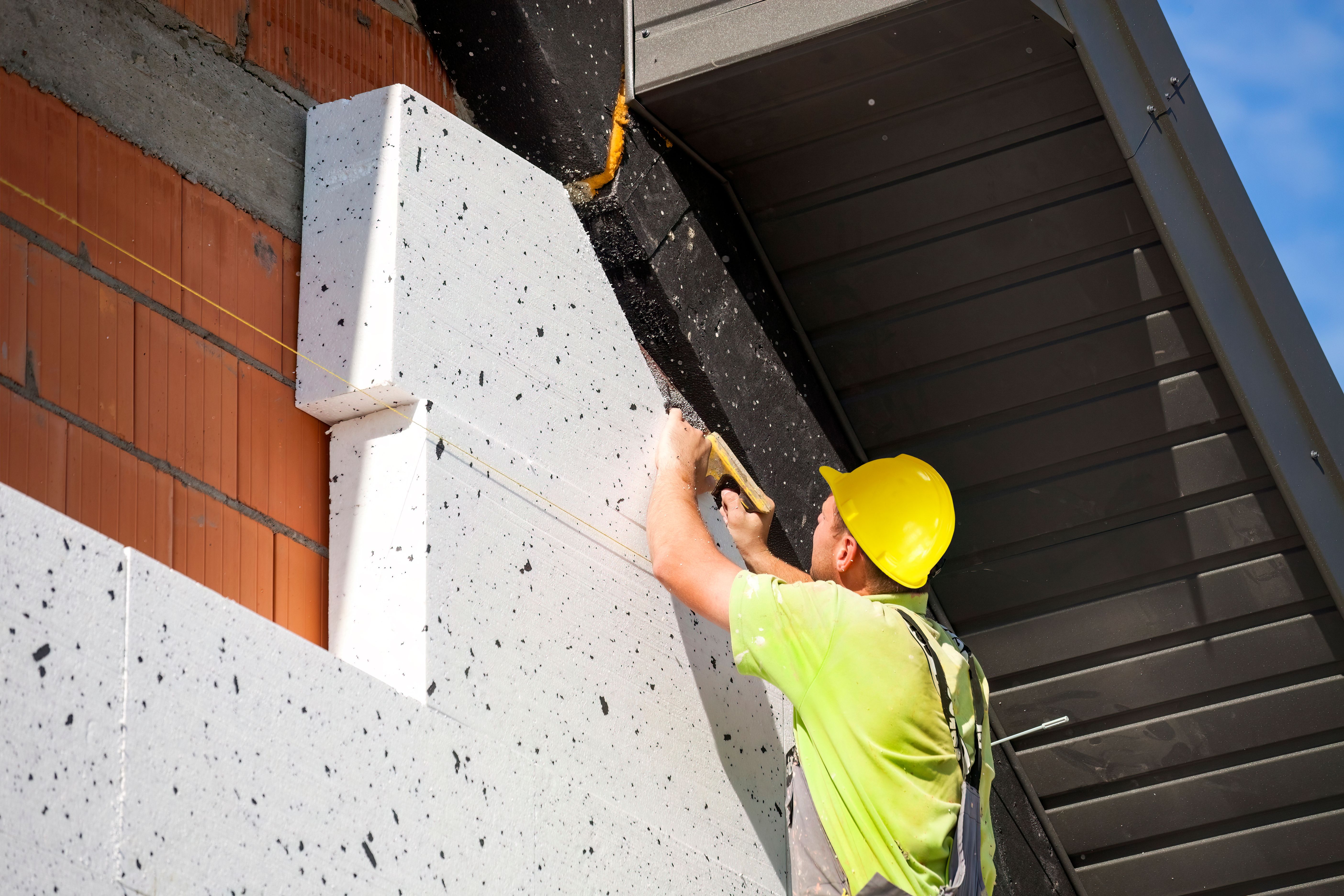
Energy costs can skyrocket during the winter months if your building isn’t adequately insulated. Enhancing insulation is a key step in reducing these expenses. Ensure that windows, doors, and walls are properly sealed to minimize heat loss. Upgrading to energy-efficient windows can also make a significant difference.
Consider implementing a comprehensive energy management plan. This could include using programmable thermostats, upgrading HVAC systems, and conducting regular maintenance checks. By focusing on energy efficiency, you not only reduce costs but also contribute to a more sustainable environment.
Preparing Outdoor Areas
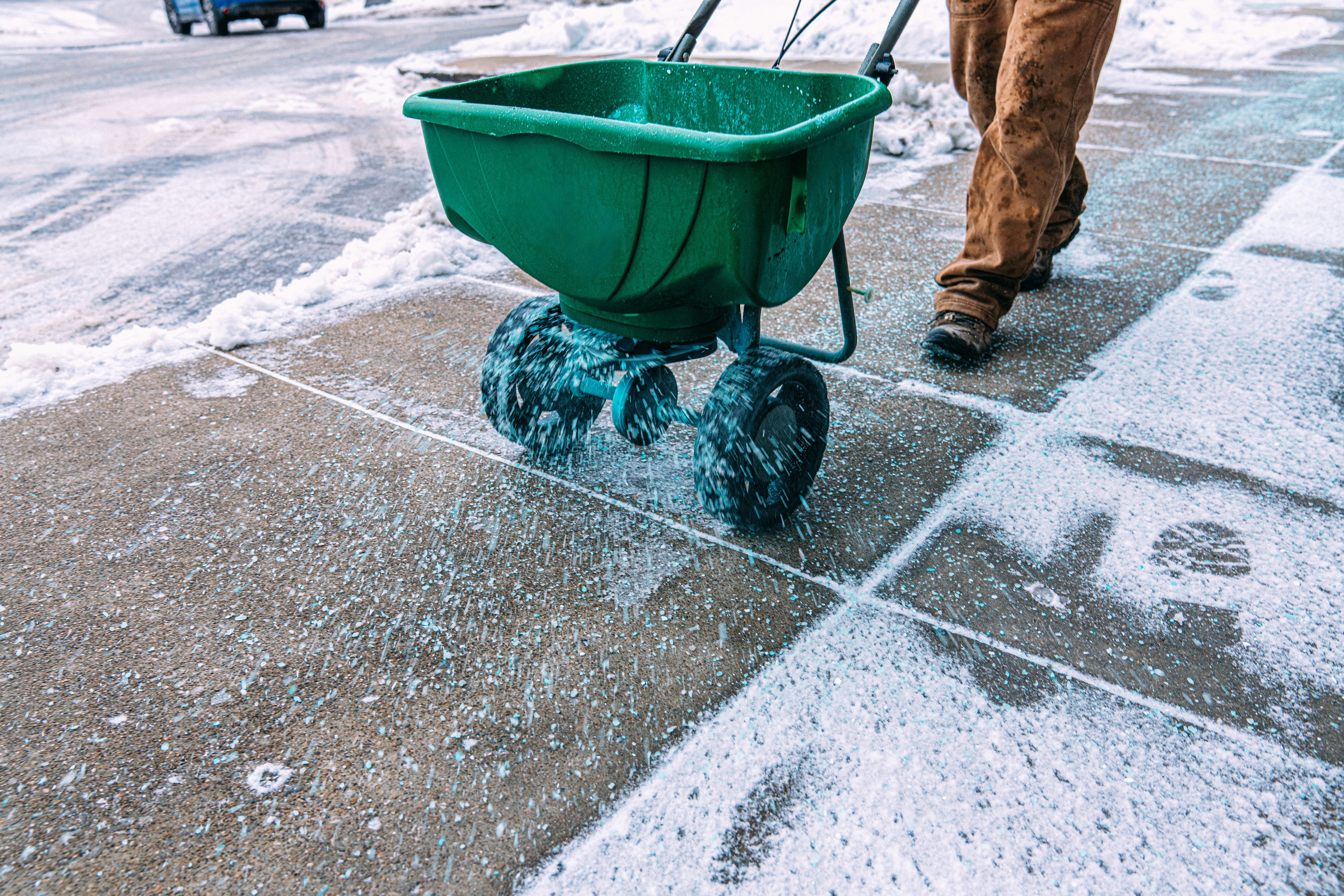
Outdoor areas, such as parking lots and walkways, require special attention during winter. Ensure these areas are free from ice and snow by arranging for regular plowing and salting services. Proper drainage is also crucial to prevent water accumulation and subsequent freezing.
Investing in durable materials for outdoor surfaces can help withstand harsh winter conditions. Non-slip coatings and heated walkways are excellent options to consider for enhancing safety for both employees and visitors.
Safeguarding Plumbing Systems
Plumbing systems are particularly vulnerable to freezing temperatures. To prevent burst pipes, consider insulating exposed pipes and maintaining a consistent indoor temperature. Regularly check for leaks and address any issues immediately.
Installing smart water sensors can help detect leaks early, preventing extensive water damage. Additionally, ensure that all staff are aware of emergency procedures related to plumbing issues, so they can act quickly if needed.
Reviewing Emergency Preparedness Plans
Winter weather can be unpredictable, making it essential to have a solid emergency preparedness plan in place. Review your current plan and make necessary updates to account for winter-specific scenarios. Ensure that all staff are familiar with evacuation routes and emergency contacts.
Stock up on essential supplies, such as salt, sand, and snow shovels. Investing time in preparation can significantly reduce the impact of unexpected winter events on your business operations.

Conclusion
By taking these steps to prepare your business for winter, you can protect your property, minimize disruptions, and ensure the safety of everyone who uses your facilities. Proactive planning and regular maintenance are key to weathering the winter months successfully.