Preparing Your Business for Winter: Essential Commercial Construction Tips


Conduct a Thorough Inspection
As winter approaches, it's crucial to ensure your commercial building is ready to withstand the harsh conditions. Start by conducting a thorough inspection of the entire property. Look for signs of damage or wear that could worsen with snow, ice, or freezing temperatures. Pay special attention to the roof, windows, and doors, as these are common points where cold air and moisture can enter.
Checking the integrity of your building's structure is essential. Look for cracks in the walls, foundation issues, or any other structural problems that need immediate attention. Addressing these issues before winter sets in will save you from costly repairs later.

Prepare Your HVAC System
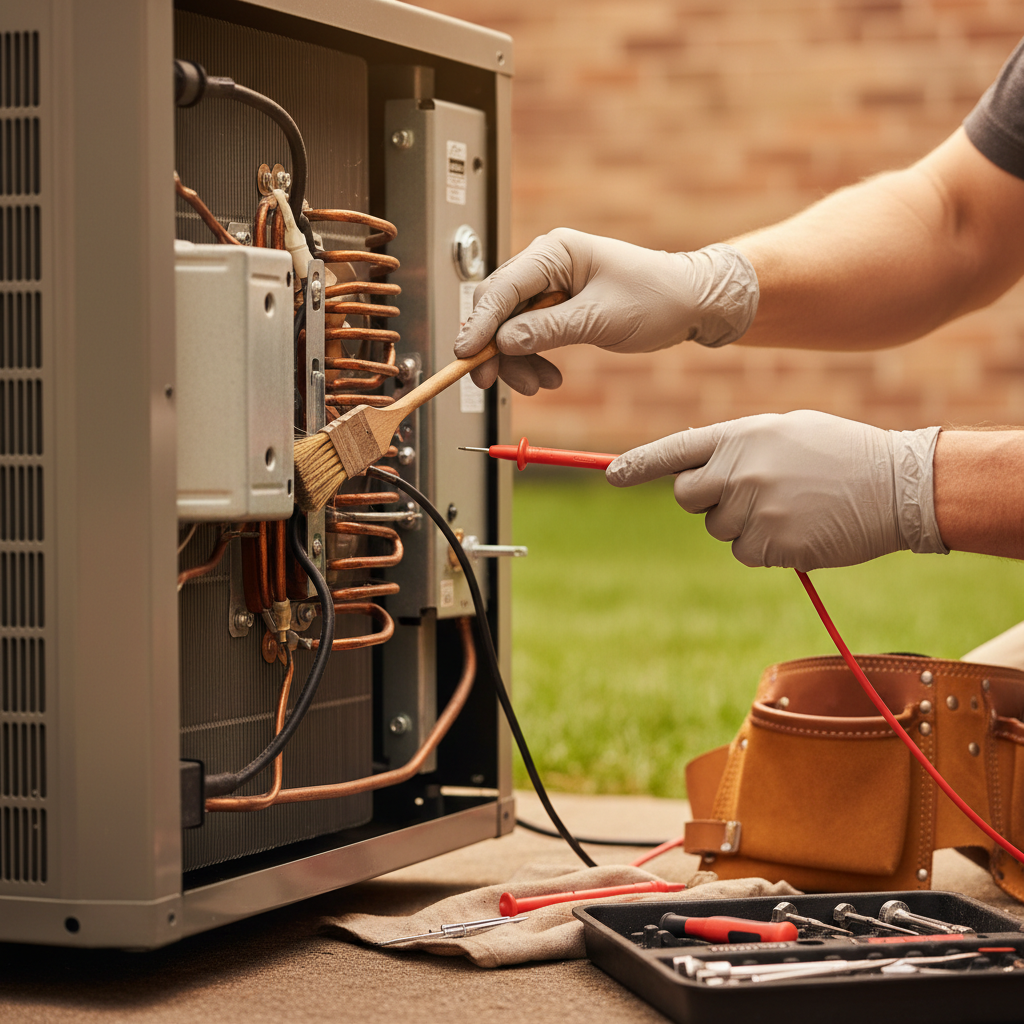
Your heating, ventilation, and air conditioning (HVAC) system plays a vital role during the winter months. Ensure it is functioning efficiently by scheduling a professional maintenance check. Replace filters, check for leaks, and make sure the thermostat is working correctly. A well-maintained HVAC system not only keeps your building warm but also helps you save on energy costs.
Consider upgrading to a programmable thermostat if you haven't already. This allows you to control the temperature more precisely and reduce energy consumption when the building is unoccupied.
Insulate and Seal
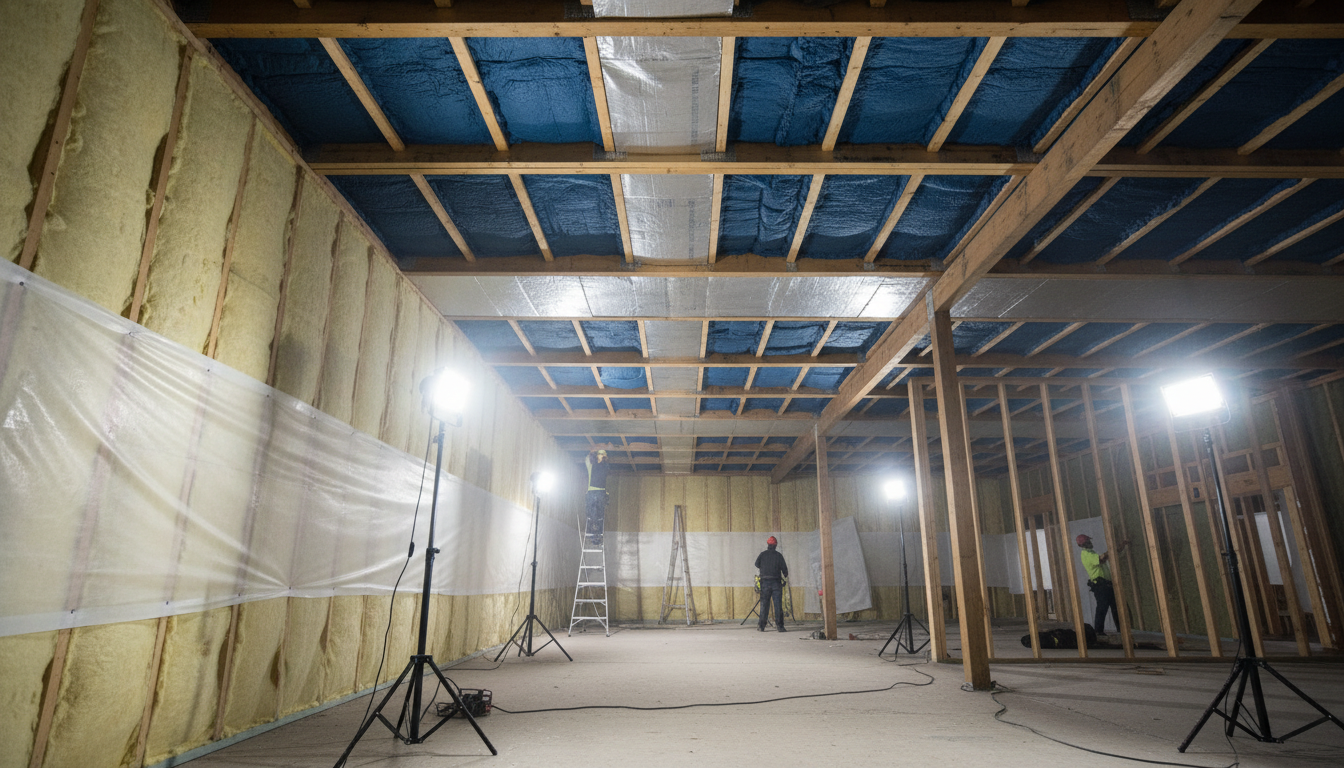
Proper insulation is key to keeping your building warm and energy-efficient during winter. Inspect the insulation in the walls, attic, and basement. Add more insulation if necessary to prevent heat loss. Additionally, seal any gaps or cracks around windows and doors to keep cold air out and warm air in.
Weatherstripping is an effective way to seal doors and windows. It’s an inexpensive solution that can significantly reduce heating costs by preventing drafts.
Prepare for Snow and Ice
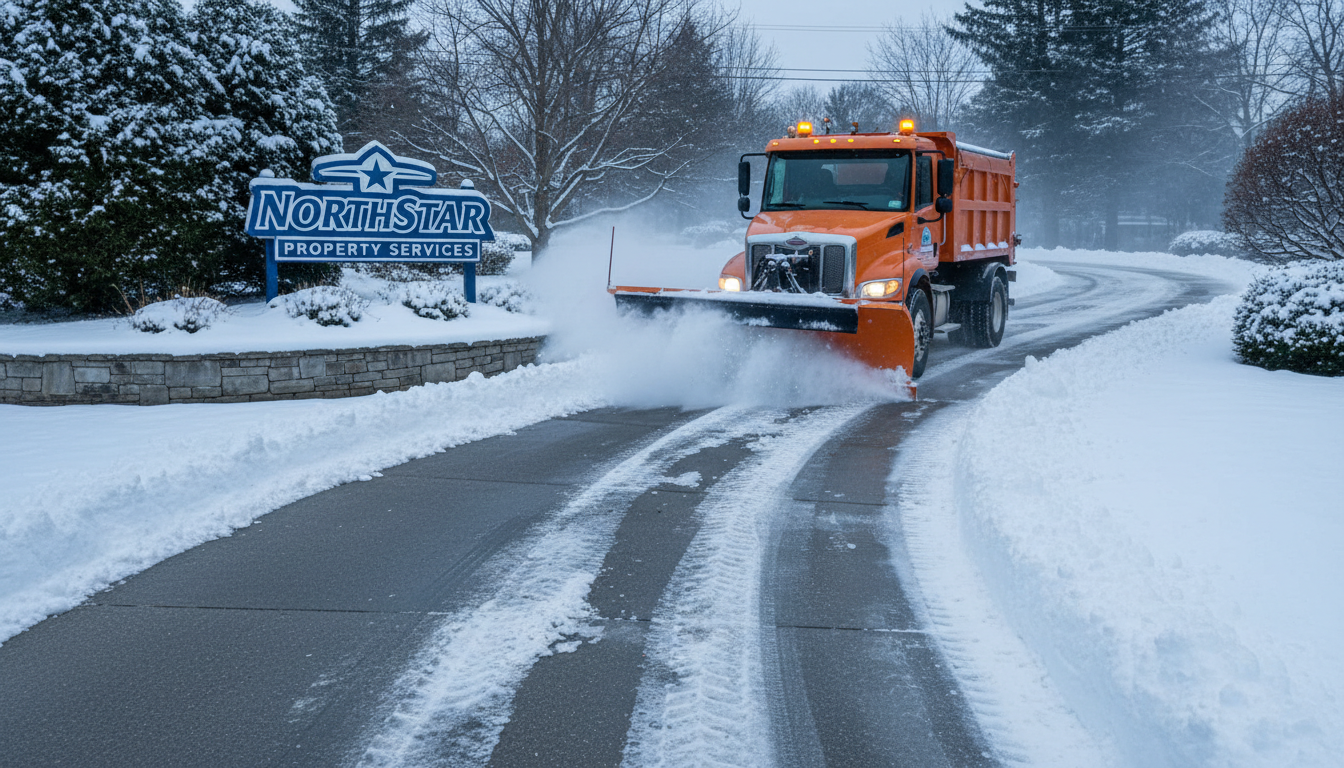
Snow and ice can pose significant risks to both the safety and functionality of your commercial property. Develop a snow and ice removal plan to ensure pathways, parking lots, and entrances remain clear and safe. Having a reliable snow removal service on standby is a wise investment.
Ensure that gutters and downspouts are clear of debris to prevent ice dams, which can cause water damage to your building. Consider installing heat cables on roofs to melt snow and prevent ice buildup.
Review Emergency Plans
Winter weather can be unpredictable, making it essential to have an updated emergency plan in place. Ensure your staff is familiar with emergency procedures, and conduct drills if necessary. Stock up on essential supplies such as flashlights, batteries, first-aid kits, and non-perishable food items.
Make sure to have a reliable communication system to keep everyone informed during an emergency. Having a plan in place can minimize downtime and ensure the safety of everyone in the building.

Protect Your Plumbing
Frozen pipes can cause significant damage and disruption to your business operations. Insulate exposed pipes, especially those in unheated areas, to prevent freezing. Consider installing pipe heating cables for additional protection.
During extremely cold weather, let faucets drip slightly to keep water moving through the pipes. This simple measure can help prevent freezing and potential bursts.

Enhance Security Measures
Winter months often see an increase in security risks due to longer nights and adverse weather conditions. Enhance your security measures by installing additional lighting around the property. Motion-sensor lights are a cost-effective way to deter potential intruders.
Ensure all security cameras are functioning correctly and consider upgrading to a system that offers remote monitoring. A well-lit and monitored property is less likely to be targeted.

Plan for Business Continuity
Winter weather can disrupt business operations, so it's essential to have a continuity plan in place. Identify critical functions and ensure there are backup systems to keep operations running smoothly. Consider flexible work arrangements for employees if severe weather prevents them from reaching the office.
Communicate with clients and customers about potential delays and update them regularly to maintain trust and confidence in your business.