
The Impact of Canadian Regulations on Commercial Construction Projects


Understanding Canadian Regulations
Commercial construction in Canada is heavily influenced by a myriad of regulations designed to ensure safety, sustainability, and fairness. These regulations impact everything from building codes to environmental compliance, shaping the way projects are planned and executed. Understanding these regulations is crucial for any company operating in the Canadian construction landscape.
Building Codes and Standards
Canada's National Building Code provides the framework for construction standards across the country. While provinces and territories may have additional requirements, the national code sets the baseline for safety and structural integrity. Compliance with these codes is mandatory and can affect project timelines and costs.
Adapting to these codes often requires specialized knowledge and expertise. Companies may need to engage with architects and engineers who are familiar with local standards to ensure compliance and avoid costly delays.
Environmental Regulations
Environmental sustainability is a major focus in Canadian regulations. Laws related to waste management, emissions, and energy efficiency are particularly stringent. Projects must often undergo environmental assessments, which can influence design and material choices.

Failure to adhere to these regulations can lead to significant fines and project shutdowns. Thus, proactive planning and consultation with environmental experts can be a vital part of the construction process.
Health and Safety Considerations
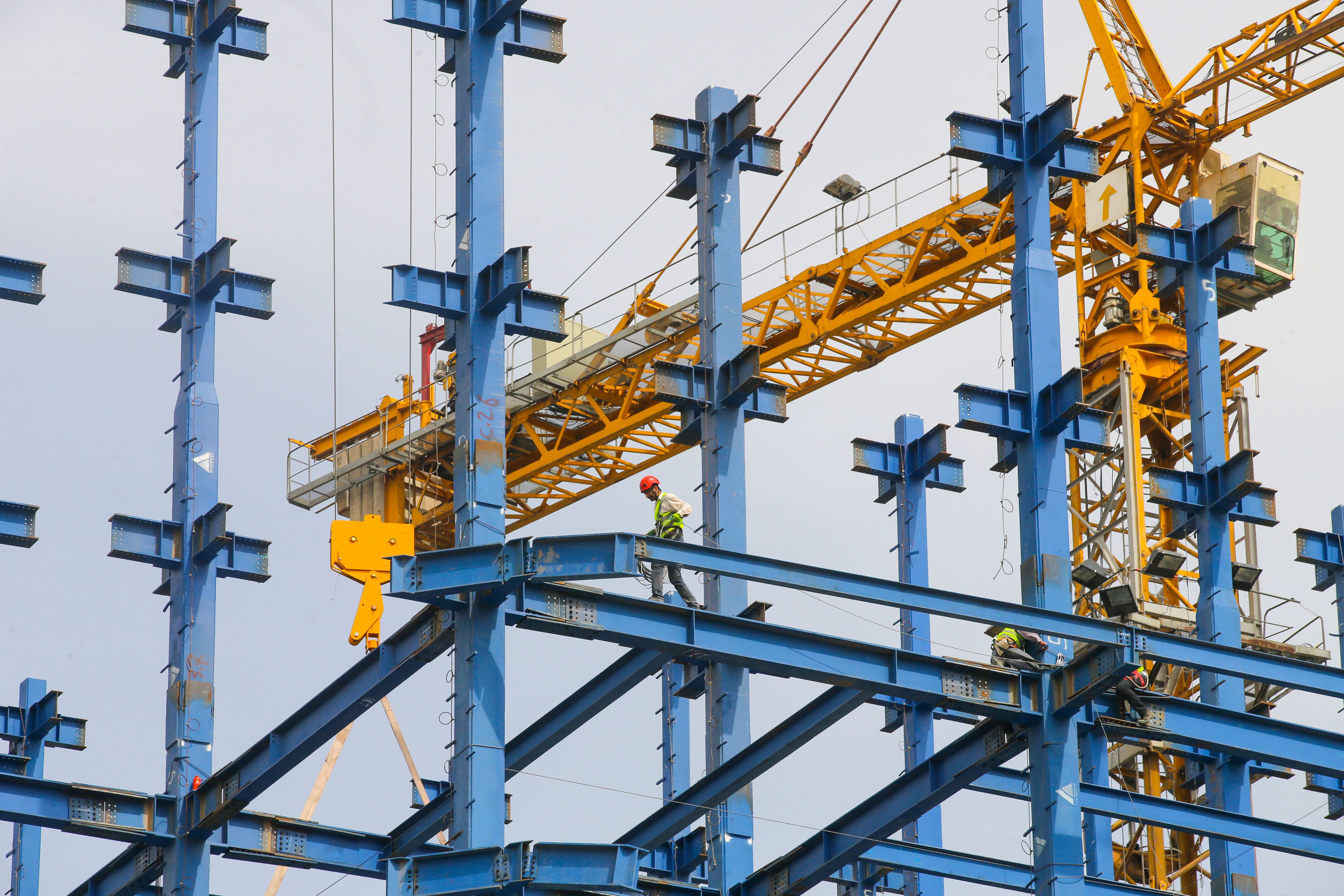
Health and safety regulations are another critical aspect of commercial construction in Canada. The country's laws require rigorous safety protocols to protect workers on site. Regular inspections and adherence to Occupational Health and Safety (OHS) standards are mandatory.
Implementing comprehensive safety plans can reduce the risk of accidents and enhance overall project efficiency. Investing in safety training and equipment is not only a legal obligation but also a wise business strategy.

Impact on Project Timelines and Costs
Regulatory compliance can significantly affect project timelines and budgets. Delays in obtaining permits or addressing regulatory issues can lead to increased costs and prolonged construction periods. Effective project management and early engagement with regulatory bodies can help mitigate these risks.
Budgeting for potential regulatory challenges is essential. Companies may need to allocate resources for legal consultations and compliance audits to ensure smooth project execution.
Conclusion
The impact of Canadian regulations on commercial construction projects is profound and multifaceted. From building codes to environmental and safety standards, compliance is a complex but essential part of the construction process. By understanding and embracing these regulations, companies can not only avoid pitfalls but also contribute to a safer, more sustainable construction industry in Canada.