
The Role of Design in Commercial Construction: Creating Functional and Aesthetic Spaces


The Importance of Design in Commercial Construction
In the realm of commercial construction, design plays a pivotal role in shaping not only the functionality of a space but also its aesthetic appeal. Whether it’s an office building, retail space, or a hospitality venue, the design sets the tone and influences how individuals interact within the environment. A well-designed space can enhance productivity, attract customers, and create a lasting impression.
Balancing Functionality and Aesthetics
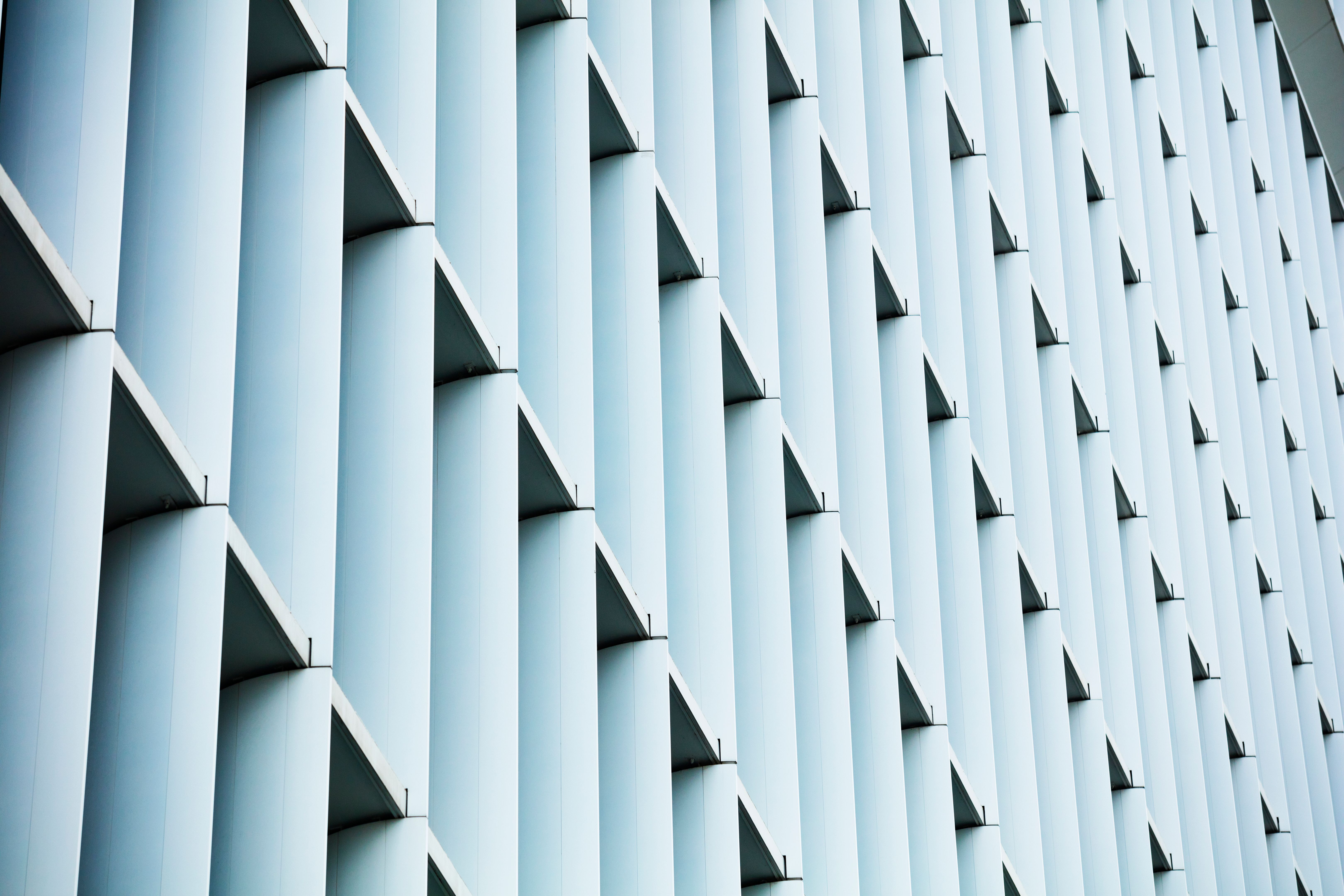
One of the primary challenges in commercial construction is finding the perfect balance between functionality and aesthetics. Functional aspects ensure that the space meets the needs of its users, providing convenience and efficiency. Meanwhile, aesthetic elements contribute to the ambiance and overall visual appeal, which can impact the mood and perception of those who occupy the space.
For example, in an office setting, functional design might focus on ergonomic furniture and efficient layout, while aesthetic considerations could include color schemes and lighting that foster creativity and collaboration. In retail spaces, functionality involves optimizing flow and accessibility, whereas aesthetics might involve branding elements that attract and engage customers.
Key Elements of Effective Design
Several key elements contribute to effective design in commercial construction. These include:
- Spatial Planning: Ensuring that space is used efficiently to meet the operational needs of the business.
- Lighting: Incorporating natural and artificial lighting to create a comfortable and inviting atmosphere.
- Material Selection: Choosing durable and visually appealing materials that complement the intended aesthetic.
The Role of Technology in Modern Design
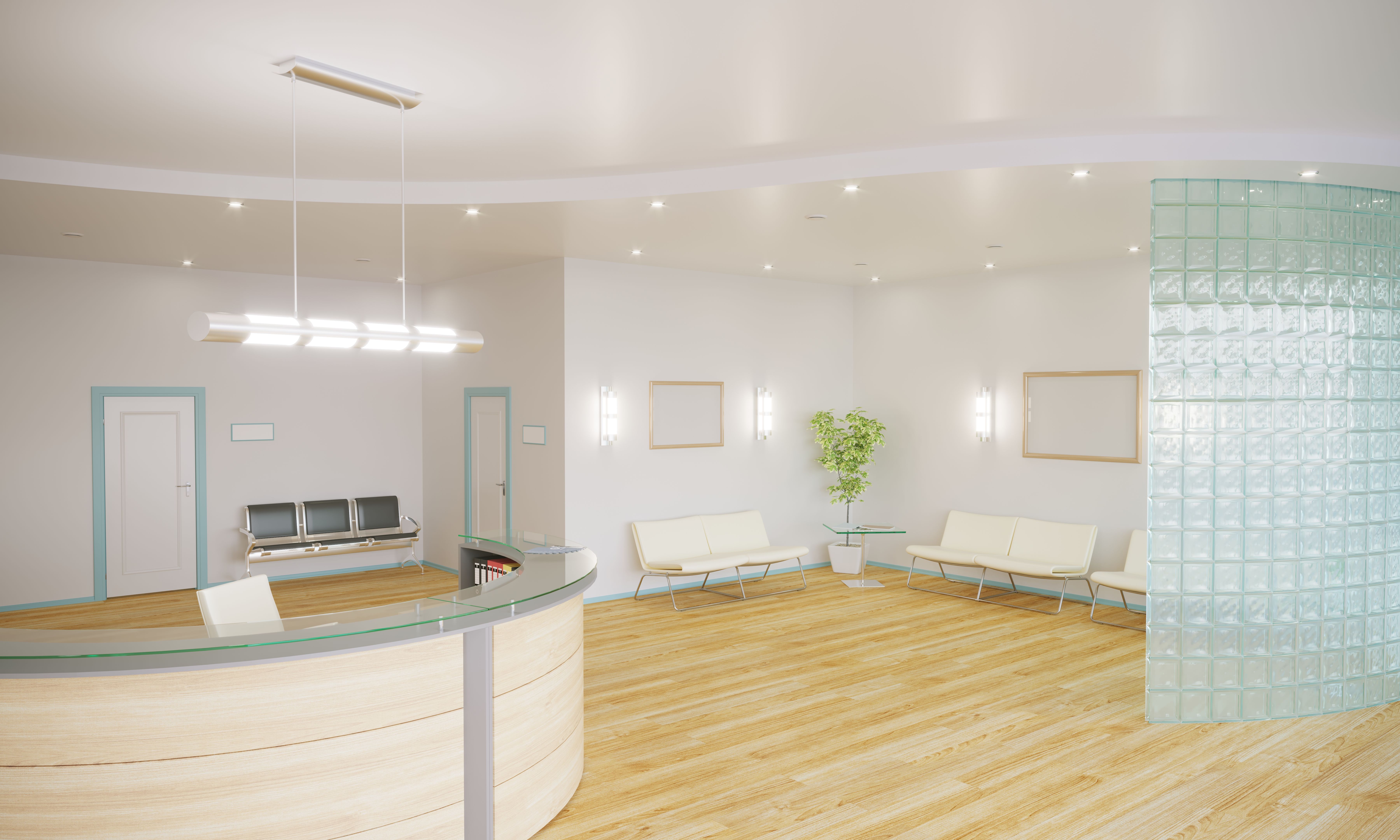
Technology has become an integral part of modern design in commercial construction. Advanced software tools allow architects and designers to create detailed 3D models, enabling clients to visualize the final outcome before construction begins. This not only aids in decision-making but also helps identify potential issues early in the process.
Moreover, smart building technologies are increasingly being integrated into designs. These technologies enhance functionality through automation and energy efficiency, providing benefits such as reduced operational costs and improved environmental sustainability.

The Impact of Sustainable Design
Sustainability has become a crucial consideration in commercial construction design. Incorporating sustainable practices not only benefits the environment but also aligns with growing consumer demand for eco-friendly solutions. This involves using renewable materials, optimizing energy usage, and designing for long-term durability.
By integrating sustainable design principles, businesses can reduce their carbon footprint and appeal to environmentally conscious consumers. Additionally, sustainable buildings often benefit from lower operating costs and improved occupant health and well-being.
The Future of Design in Commercial Construction
Looking ahead, the role of design in commercial construction will continue to evolve as new technologies and trends emerge. The growing emphasis on wellness and flexible working environments is likely to influence future design considerations. Spaces will need to adapt to changing business landscapes while maintaining their aesthetic appeal.
Ultimately, successful design in commercial construction requires a holistic approach that considers both form and function. By prioritizing both elements, businesses can create spaces that not only serve their practical needs but also inspire and engage those who use them.