
The Ultimate Guide to Commercial Construction Planning in Canada


Embarking on a commercial construction project in Canada involves a complex journey of planning, coordination, and execution. Whether you’re developing a new office building, retail space, or industrial facility, understanding the intricacies of construction planning is crucial for success.

Understanding the Construction Landscape in Canada
Canada's diverse climate and varying regional regulations make commercial construction planning a unique challenge. It is essential to be familiar with local building codes, environmental standards, and seasonal factors that can impact construction timelines. Partnering with experienced local contractors can help navigate these complexities.
Moreover, each province has its own set of guidelines and requirements. For instance, construction in Ontario may differ significantly from projects in British Columbia or Alberta. A comprehensive understanding of these differences ensures compliance and smooth project execution.
Key Steps in the Planning Process
Project Feasibility and Design
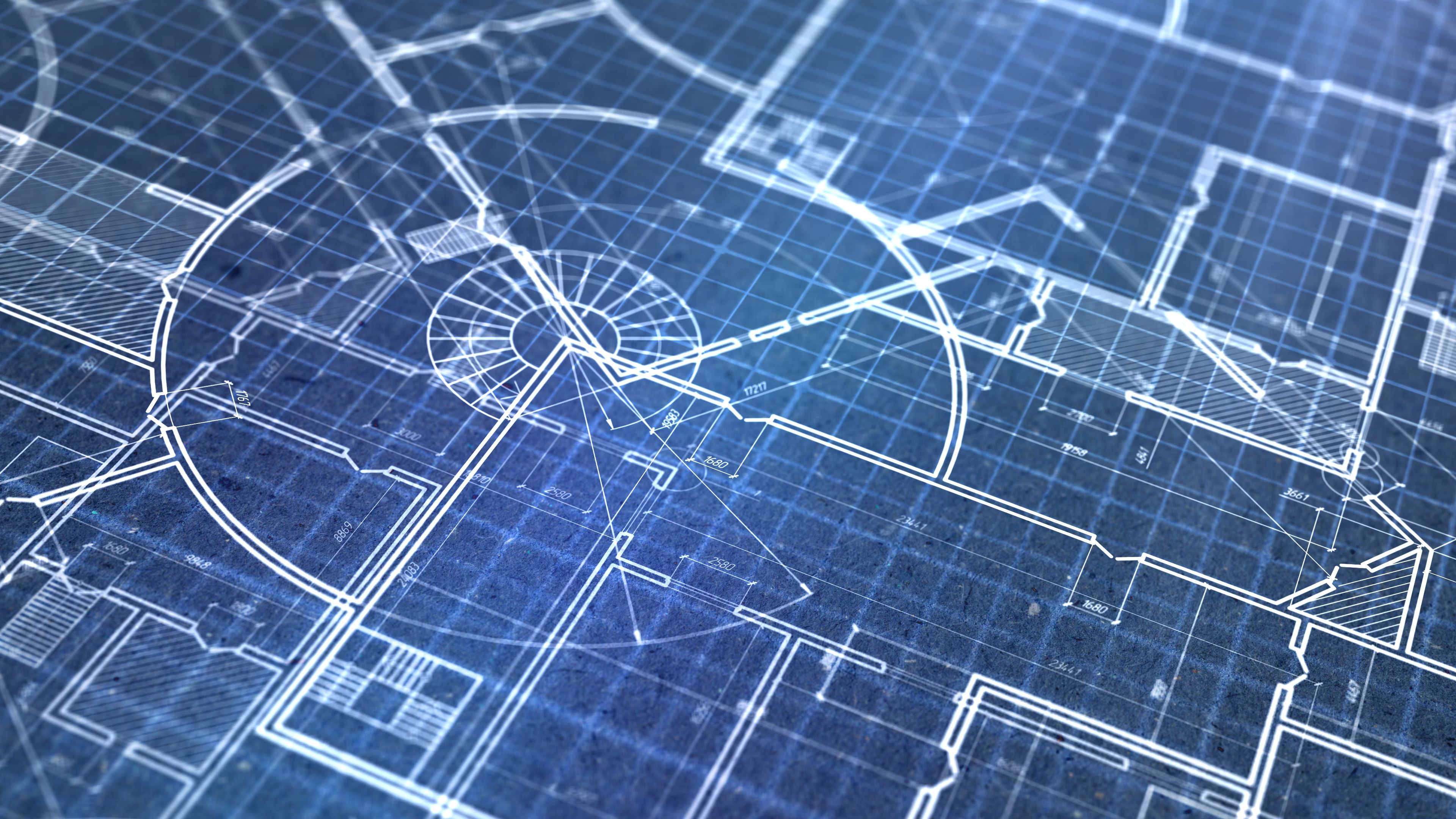
The first step in any commercial construction project is assessing its feasibility. This involves evaluating the site, financial considerations, and regulatory requirements. Engaging with architects and engineers during the design phase helps create a blueprint that aligns with your vision and complies with local laws.
Budgeting and Financing
Establishing a realistic budget is crucial. Consider costs for permits, materials, labor, and any potential contingencies. It's advisable to work with financial advisors or consultants to explore financing options, such as loans, grants, or partnerships, to support your project's financial health.
Careful budgeting ensures that resources are allocated efficiently, minimizing delays and keeping the project on track.
Selecting the Right Team
Choosing Contractors and Suppliers
Hiring the right contractor can make or break your project. Look for contractors with a proven track record in commercial construction, strong local knowledge, and a commitment to safety standards. Similarly, selecting reliable suppliers ensures the quality of materials and adherence to project timelines.
Collaboration and Communication
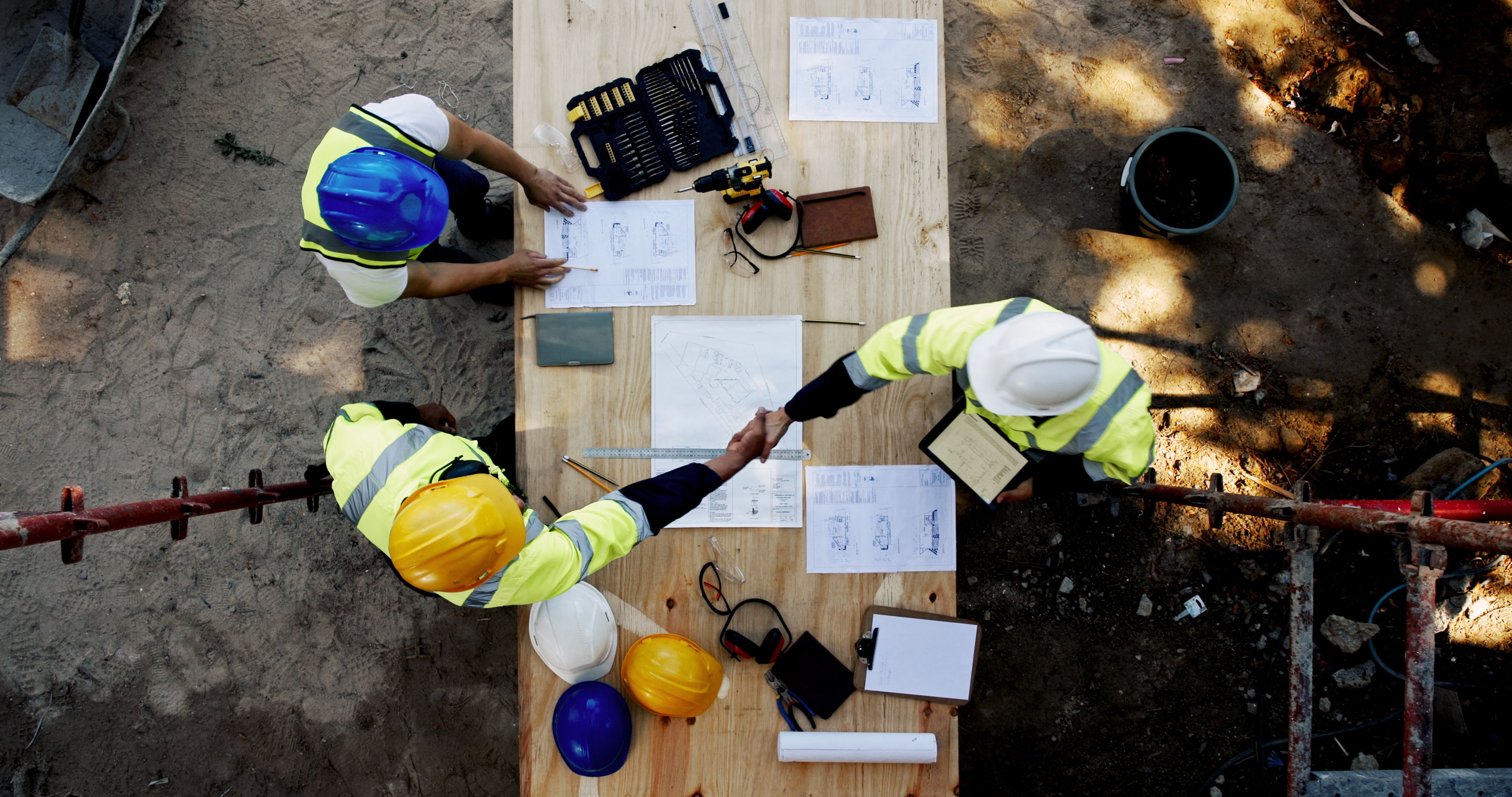
Effective communication among all stakeholders is vital. Regular meetings and updates foster collaboration, address challenges promptly, and ensure everyone is aligned with the project goals. Utilizing project management software can streamline these communications and provide transparency throughout the process.
Managing Construction Phases
Pre-Construction Activities
Before breaking ground, ensure all necessary permits and approvals are secured. Site preparation, including clearing and grading, sets the stage for smooth construction. This phase also involves scheduling and resource allocation to avoid any potential bottlenecks.
Pre-construction is the time to finalize plans and ensure all logistical elements are in place, paving the way for efficient execution.
Monitoring Progress and Quality Control
During the construction phase, regular monitoring is crucial to maintain quality and adhere to the timeline. Implementing quality control measures ensures that the construction meets the specified standards and any issues are addressed promptly.
Engaging third-party inspectors can provide an additional layer of assurance and help maintain compliance with local regulations.
Post-Construction Considerations
Once construction is complete, focus shifts to occupancy and maintenance. Conduct final inspections, address any deficiencies, and ensure all systems are operational. Establishing a maintenance plan helps extend the building's lifespan and protects the investment.
In conclusion, successful commercial construction planning in Canada requires a strategic approach, attention to detail, and collaboration with experienced professionals. By following these guidelines, you can navigate the complexities of construction and create a space that meets your business needs.