
Top 5 Trends in Commercial Construction: What to Expect in the Future


Embracing Sustainability
The commercial construction industry is increasingly focused on sustainability, driven by the need to reduce environmental impact and comply with new regulations. Green building practices are becoming the norm, with an emphasis on energy efficiency, renewable energy sources, and sustainable materials.
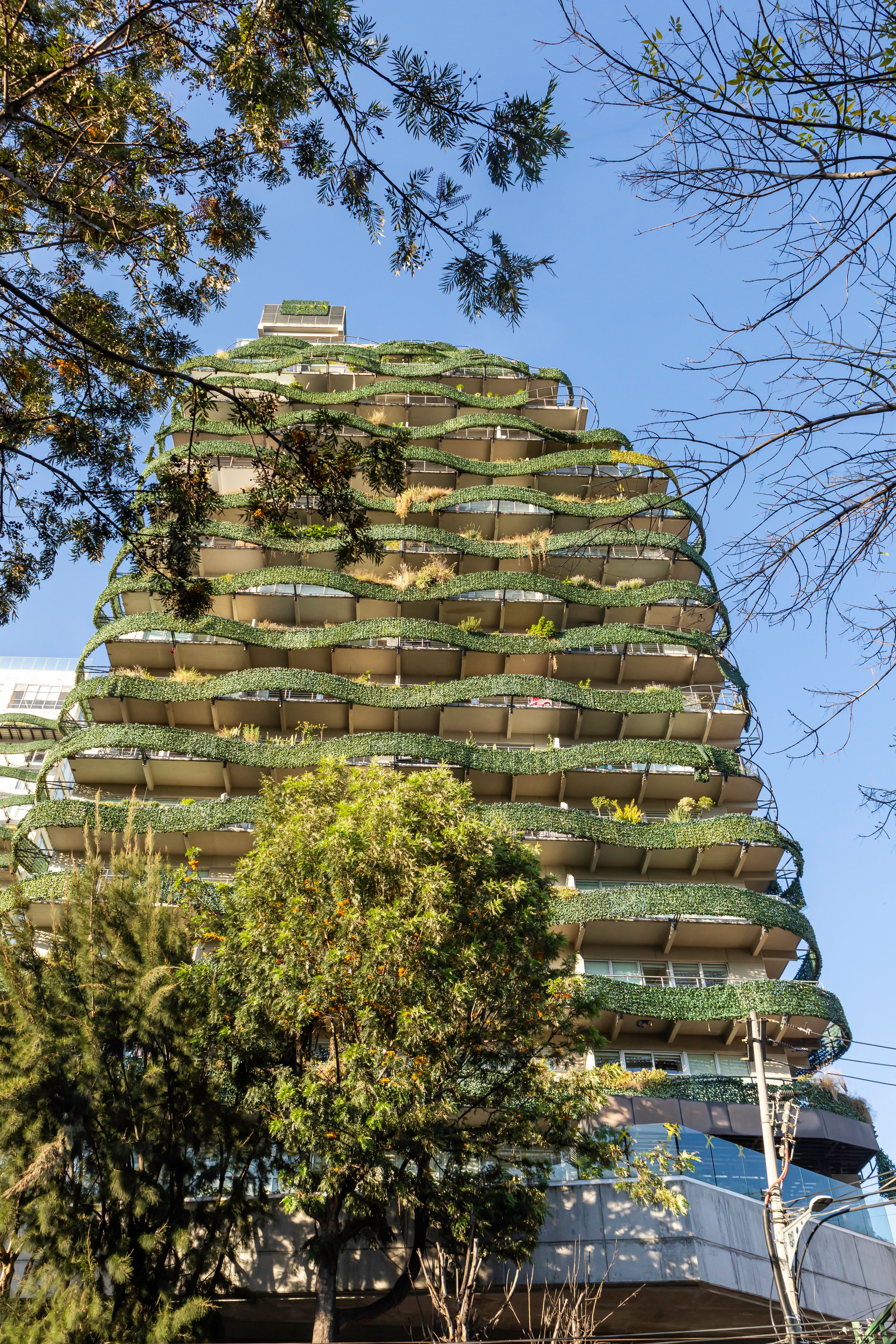
Companies are investing in technologies that minimize waste and improve resource management. Expect to see more solar panels, green roofs, and energy-efficient HVAC systems in future projects. The push for sustainability is not just a trend; it's a necessary evolution.
Innovative Building Materials
Advancements in building materials are transforming commercial construction. Materials like cross-laminated timber, self-healing concrete, and 3D-printed components are gaining popularity. These innovations offer benefits such as reduced construction time, improved durability, and lower environmental impact.
Additionally, smart materials that adapt to environmental changes are being integrated into building designs. These materials enhance a building's performance, making them an attractive option for forward-thinking developers.

Technology Integration
The integration of technology is reshaping commercial construction. Building Information Modeling (BIM) and virtual reality are being used to improve design accuracy and project management. These technologies allow for better visualization and collaboration among stakeholders.
Furthermore, the use of drones and robotics on construction sites is increasing efficiency and safety. These tools help in site surveying, monitoring progress, and even performing repetitive tasks, reducing human error and labor costs.

Modular and Prefabricated Construction
Modular and prefabricated construction methods are gaining traction due to their speed and cost-effectiveness. These techniques involve assembling building components off-site and then transporting them for quick assembly on-site.
This approach reduces construction time and minimizes disruption, making it a preferred choice for urban projects where space and time are limited. As demand for faster construction grows, modular methods will continue to evolve.
Focus on Health and Safety
The COVID-19 pandemic has heightened awareness of health and safety in commercial spaces. Future projects are expected to prioritize air quality, ventilation, and touchless technology to enhance occupant well-being.
Designers are incorporating features like advanced HVAC systems, antimicrobial materials, and smart lighting to create healthier environments. This focus on health is becoming a key consideration in building design and construction.
Conclusion
The commercial construction industry is poised for significant transformation in the coming years. By embracing sustainability, leveraging new materials, integrating technology, adopting modular methods, and prioritizing health and safety, the industry is setting the stage for a more efficient and responsible future. Staying ahead of these trends will be crucial for businesses looking to thrive in this dynamic landscape.