
Understanding Commercial Building Regulations in Canada


Understanding commercial building regulations in Canada is crucial for anyone involved in the construction, renovation, or management of commercial properties. These regulations ensure that buildings are safe, accessible, and environmentally sustainable. Navigating these regulations can be complex, but they provide a framework that guarantees the structural integrity and safety of commercial spaces.

Overview of Canadian Building Codes
Canada's building regulations primarily fall under provincial jurisdiction, meaning each province has its own set of rules and codes. However, the National Building Code of Canada (NBC) serves as a model code, guiding provinces in developing their specific regulations. The NBC covers various aspects, including fire safety, structural requirements, and accessibility.
The NBC is updated approximately every five years to incorporate new technologies and practices. Provinces may adopt these updates directly or modify them to suit regional needs. It's essential for developers and builders to stay informed about these updates to ensure compliance.

Key Areas of Regulation
Commercial building regulations in Canada cover several key areas:
- Fire Safety: Regulations include fire-resistant materials, fire exits, and suppression systems.
- Structural Integrity: Ensuring buildings can withstand environmental forces like wind and snow.
- Accessibility: Mandating ramps, elevators, and accessible facilities for individuals with disabilities.
- Environmental Standards: Energy efficiency and sustainability practices are increasingly emphasized.
These areas are critical in protecting the safety and well-being of occupants and the environment.

Permits and Inspections
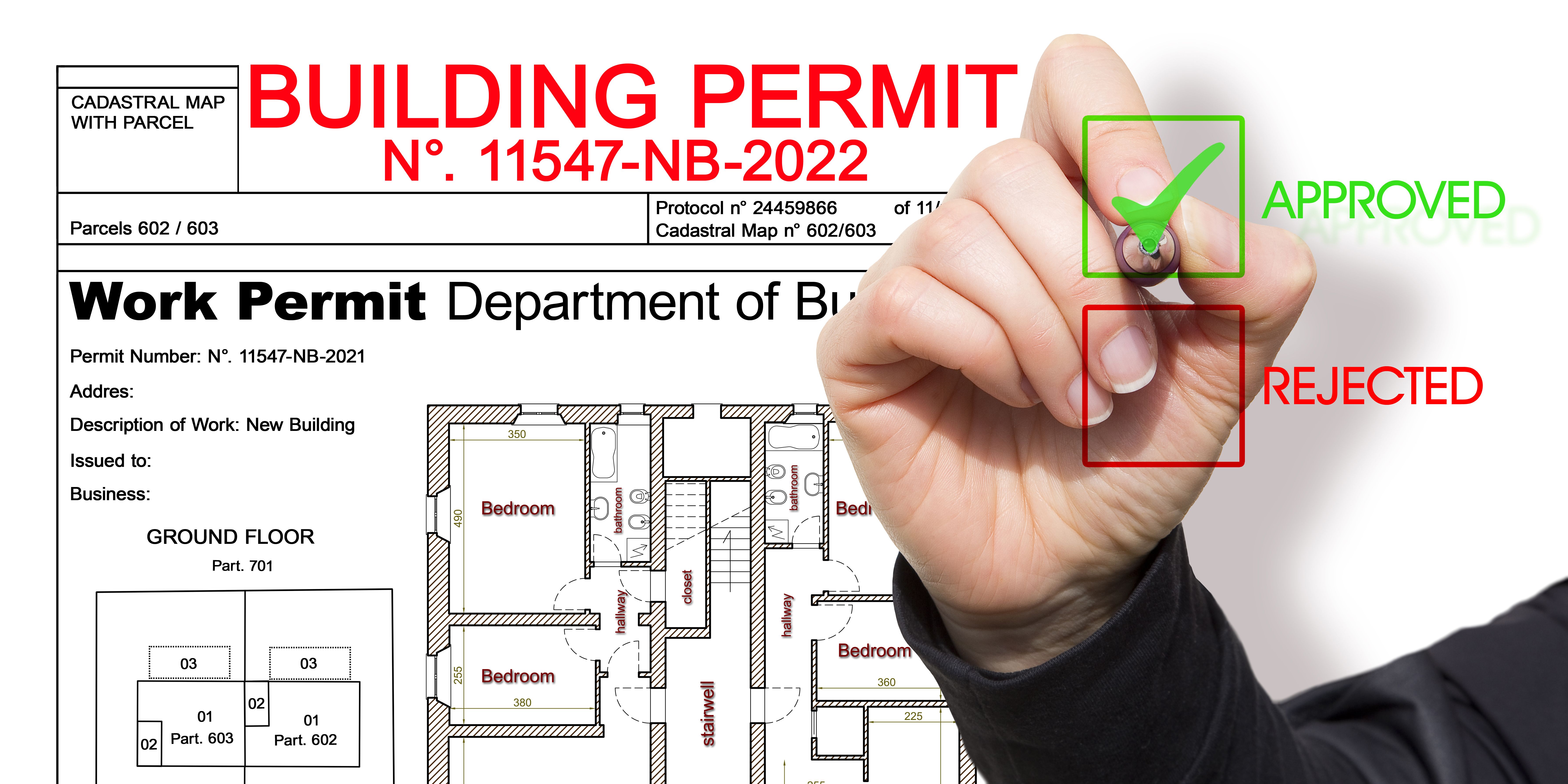
Before starting any construction or renovation project, it is mandatory to obtain the necessary permits. These permits ensure that the project complies with local building codes and zoning laws. The process usually involves submitting detailed plans for review by municipal authorities.
Once construction begins, regular inspections are conducted to ensure ongoing compliance with the approved plans and regulations. These inspections cover various stages of construction, from the foundation to the final touches, and are crucial for identifying any potential issues early on.
Challenges and Considerations
One of the main challenges in adhering to commercial building regulations is the complexity and variability across different provinces. Builders and developers must be diligent in understanding both national and local requirements. Engaging with professionals who specialize in building codes and regulations can be invaluable in navigating these complexities.
Additionally, maintaining up-to-date knowledge of evolving codes and standards is vital for long-term compliance. As environmental and safety standards evolve, staying informed ensures that buildings remain compliant and future-proof.
Understanding and adhering to commercial building regulations in Canada is a multifaceted task that demands attention to detail and a commitment to safety and sustainability. By following these guidelines, builders and developers not only comply with legal requirements but also contribute to creating safer and more efficient commercial spaces.