
Understanding Local Building Regulations: A Guide for Commercial Construction in Canada


When embarking on a commercial construction project in Canada, understanding local building regulations is crucial. These regulations ensure that buildings are safe, accessible, and environmentally sustainable. Navigating these rules can be complex, but with the right knowledge, you can streamline your project and avoid costly delays.

Understanding the Basics of Building Codes
Building codes are sets of regulations that govern the design, construction, and occupancy of buildings. In Canada, building codes are typically enforced at the provincial or territorial level, although there are national standards that serve as a model. The National Building Code of Canada (NBC) provides guidelines that provinces may adopt or adapt to suit local needs.
It's essential to consult the specific building codes applicable to your project’s location. These codes cover a wide range of factors, including structural integrity, fire safety, energy efficiency, and accessibility.
Compliance with Zoning Laws
Zoning laws dictate how land can be used in different areas. Before beginning construction, ensure your project complies with local zoning regulations. These laws determine the type of buildings allowed, their size, and their specific use. For commercial construction, this may include limitations on building height, parking requirements, and signage.
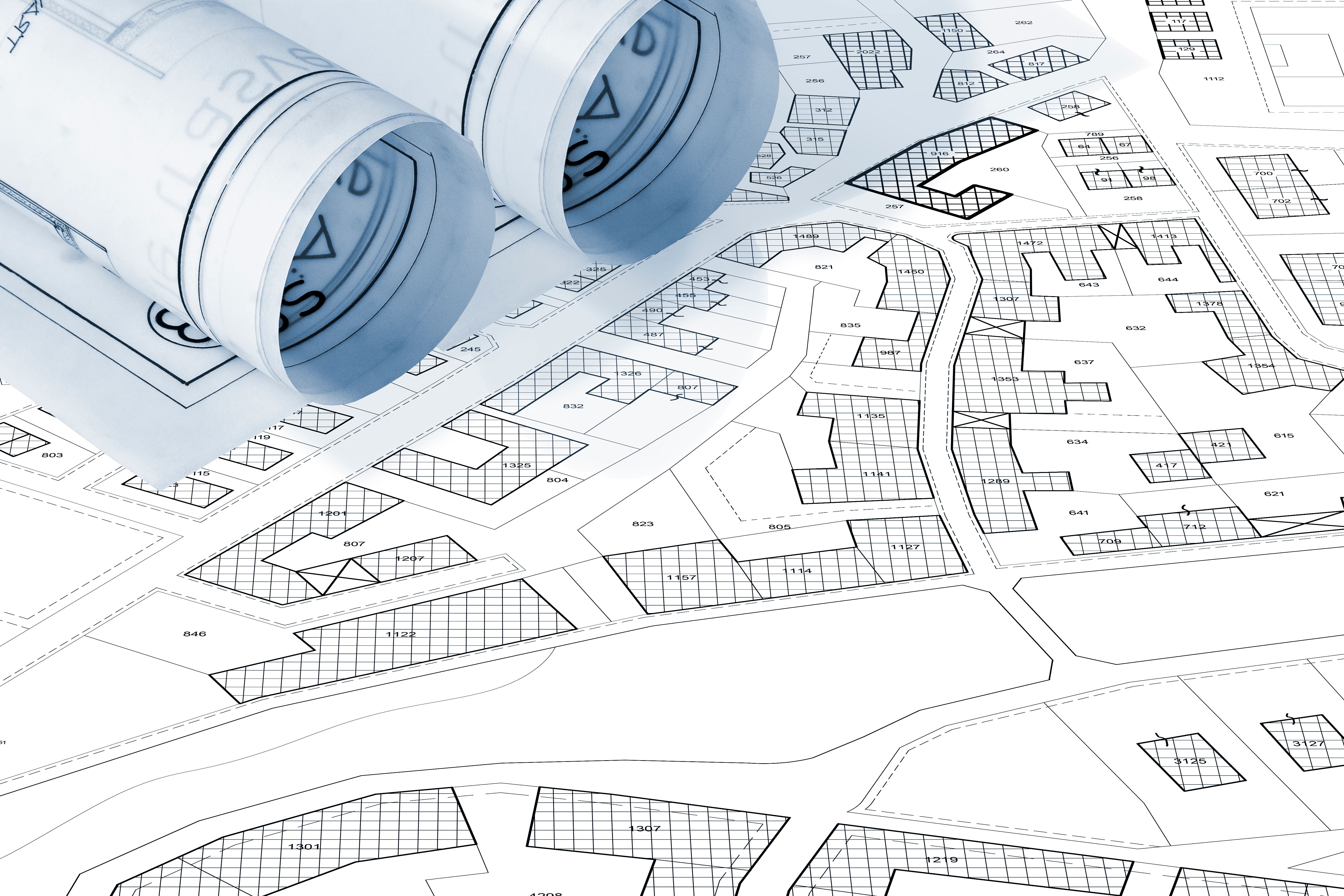
Failure to comply with zoning laws can result in fines, legal action, or even the demolition of non-compliant structures. Therefore, it's wise to consult with a local expert or city planner to ensure your project aligns with zoning requirements.
Key Considerations for Building Permits
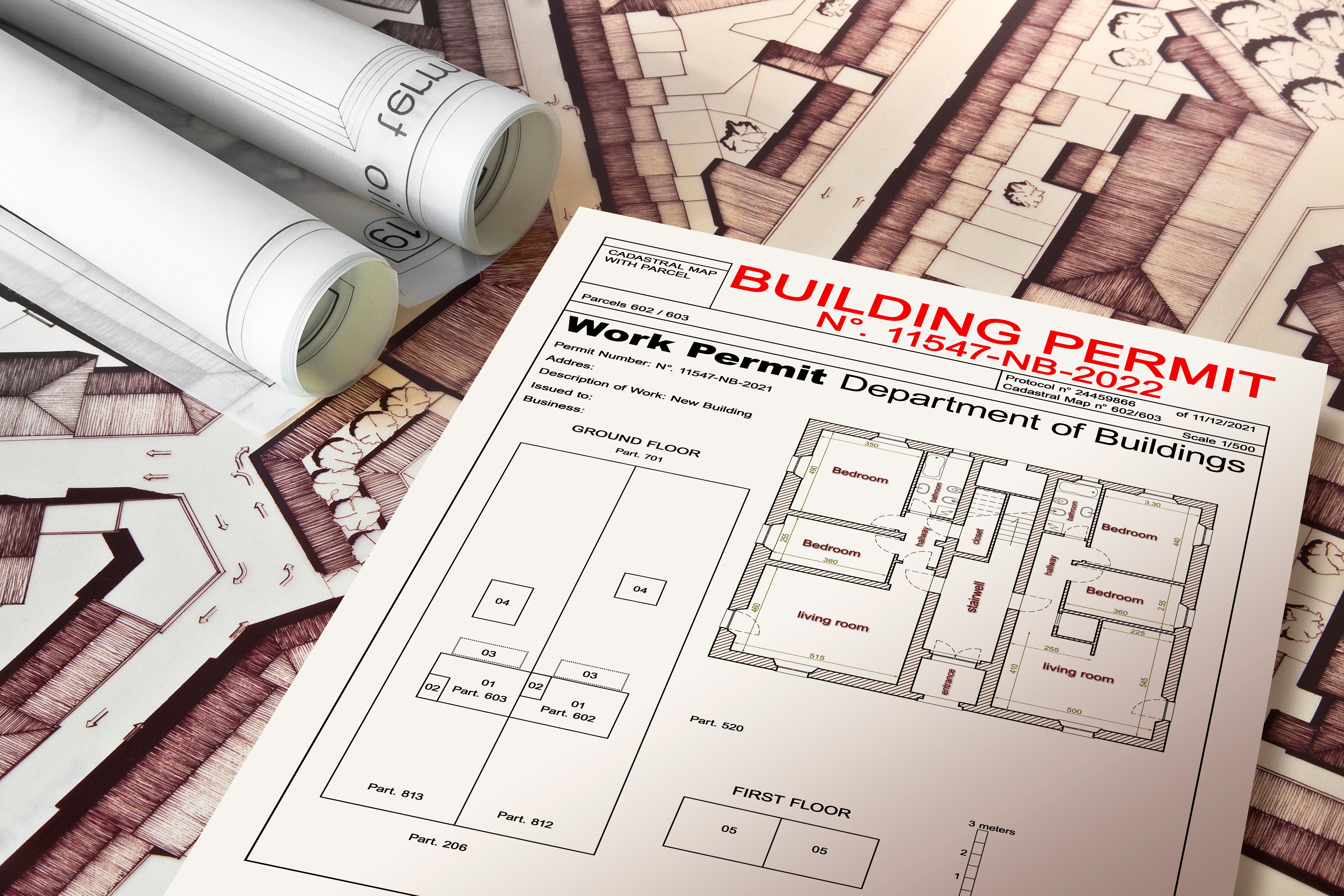
Building permits are another crucial aspect of commercial construction. These permits are necessary to ensure that your project adheres to all relevant building codes and safety regulations. Obtaining a building permit typically involves submitting detailed plans and specifications for review by municipal authorities.
The process can be time-consuming, so it’s advisable to start early. Be prepared to provide documentation on structural design, electrical systems, plumbing, and more. Delays in obtaining permits can stall your project and increase costs.
Sustainability and Environmental Regulations
In recent years, there has been a growing emphasis on sustainability in construction. Many provinces have introduced regulations that require buildings to meet specific environmental standards. This can include energy efficiency measures, waste reduction strategies, and the use of sustainable materials.
Incorporating these elements into your project not only ensures compliance but can also result in long-term cost savings and a reduced environmental footprint.
Engaging with Professionals
Given the complexity of local building regulations, engaging with professionals such as architects, engineers, and legal advisors can be invaluable. These experts can provide guidance on compliance and help navigate the permitting process.
Working with experienced professionals can also enhance the overall quality and safety of your construction project, ensuring that it meets both regulatory standards and your business needs.
Staying Informed and Updated
Building regulations can change frequently, reflecting new safety standards, technological advancements, and environmental concerns. Staying informed about these changes is crucial for ongoing compliance. Regularly consult official government websites and industry publications for updates.
In conclusion, understanding and adhering to local building regulations is a fundamental part of commercial construction in Canada. By familiarizing yourself with these rules, engaging with professionals, and staying informed, you can ensure a smooth and successful construction process.