
Understanding the Latest Trends in Commercial Building Design


Introduction to Modern Commercial Building Design
In recent years, commercial building design has witnessed a significant transformation. As businesses and architects seek to create more sustainable, efficient, and visually appealing spaces, understanding the latest trends becomes crucial. These trends not only reflect current aesthetic preferences but also respond to technological advancements and environmental considerations.
Emphasis on Sustainability
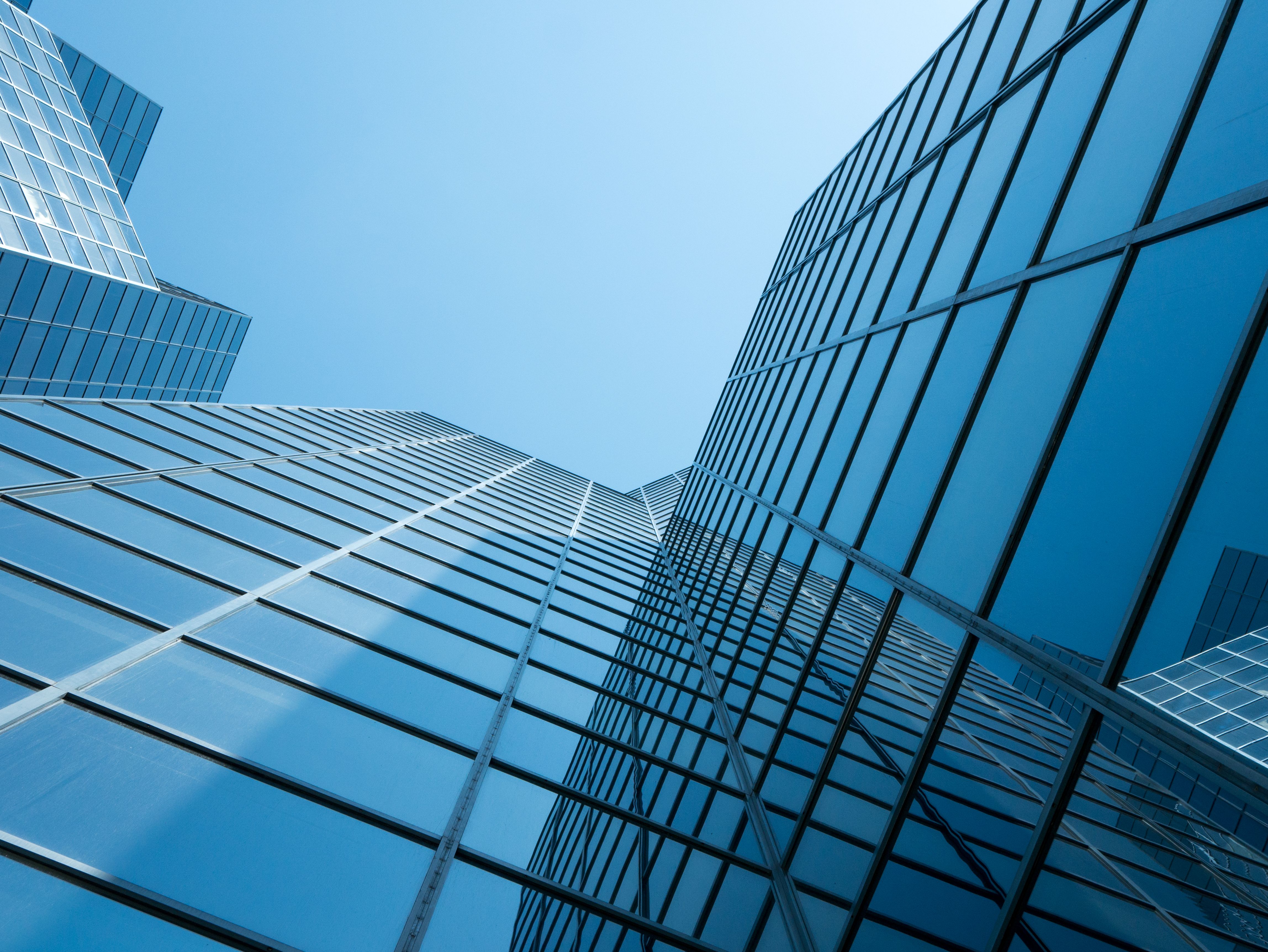
Sustainability is at the forefront of commercial building design. Architects and developers are increasingly incorporating eco-friendly materials and energy-efficient systems. This trend is driven by both regulatory requirements and a growing public interest in environmental stewardship.
Key sustainable practices include the use of recycled materials, installation of solar panels, and the integration of green roofs to reduce heat absorption. Such practices not only lower the carbon footprint but also reduce operational costs in the long run.
Smart Building Technology
The integration of smart technology in commercial buildings is another trend shaping the industry. These technologies include automated lighting systems, smart HVAC systems, and advanced security features. By utilizing the Internet of Things (IoT), buildings can optimize energy use, enhance security, and improve occupant comfort.

Smart building technologies provide real-time data, allowing building managers to make informed decisions and streamline operations. This results in increased efficiency and lower energy costs.
Focus on Flexible Spaces
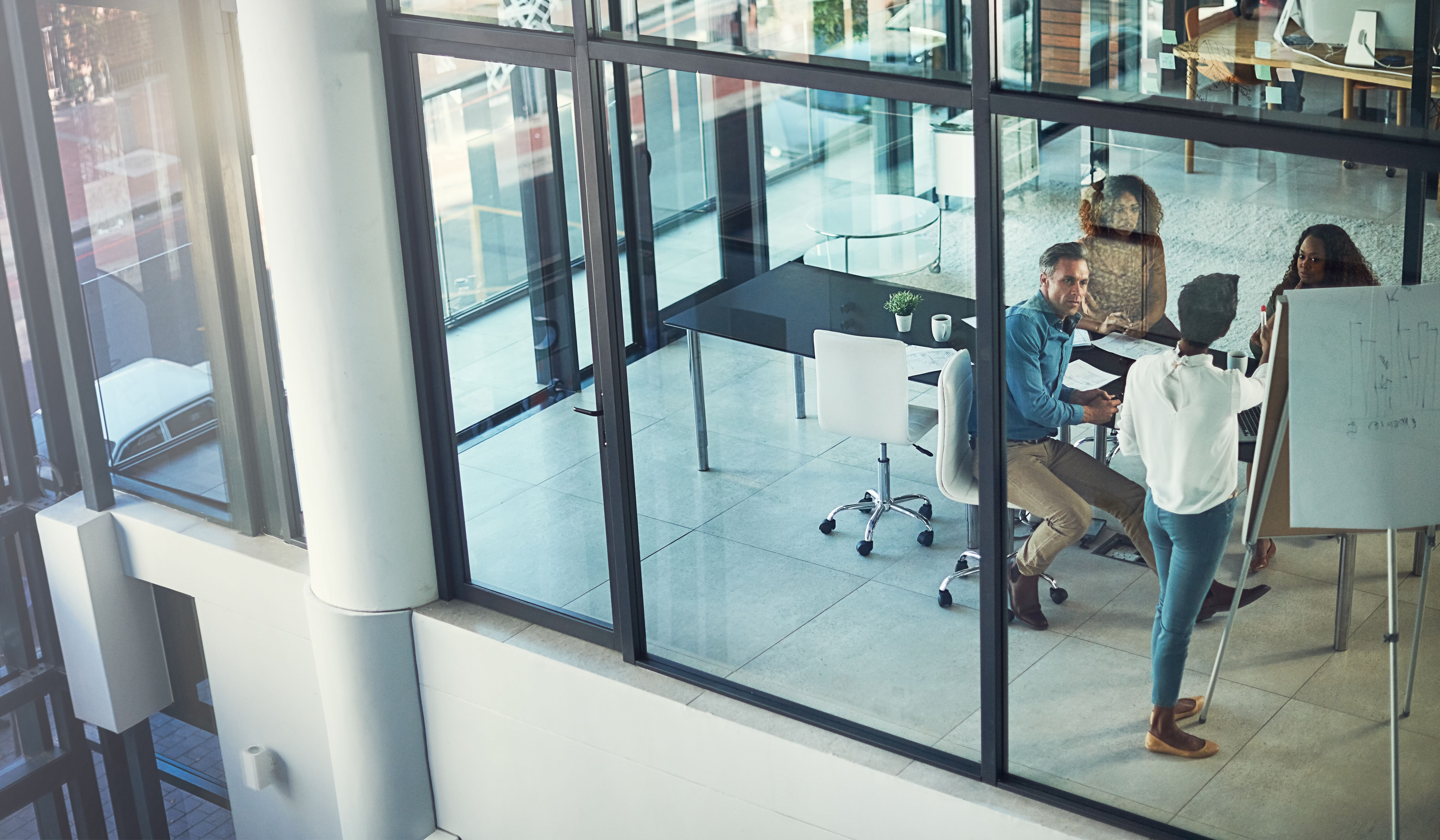
With the changing dynamics of work and lifestyle, flexibility in commercial spaces is becoming increasingly important. Modern designs now incorporate adaptable layouts that can easily be reconfigured to meet different needs. This is particularly relevant in the context of coworking spaces and multifunctional environments.
Movable walls, modular furniture, and open-plan designs are some of the elements that contribute to creating flexible spaces. These features allow businesses to modify their environments without significant renovation costs.
Biophilic Design Elements
Biophilic design, which seeks to connect building occupants with nature, is gaining popularity. This approach enhances the well-being of individuals by incorporating natural elements such as indoor plants, natural lighting, and water features.
Studies have shown that biophilic design can improve mental health, increase productivity, and reduce stress levels. As a result, more commercial buildings are incorporating these elements to create healthier and more enjoyable environments.
Conclusion
Understanding the latest trends in commercial building design is essential for anyone involved in the industry. By embracing sustainability, smart technology, flexible spaces, and biophilic elements, businesses can create efficient, innovative, and appealing environments. These trends not only meet the demands of today but also set the stage for the future of commercial architecture.